 Waldo Wolmarans

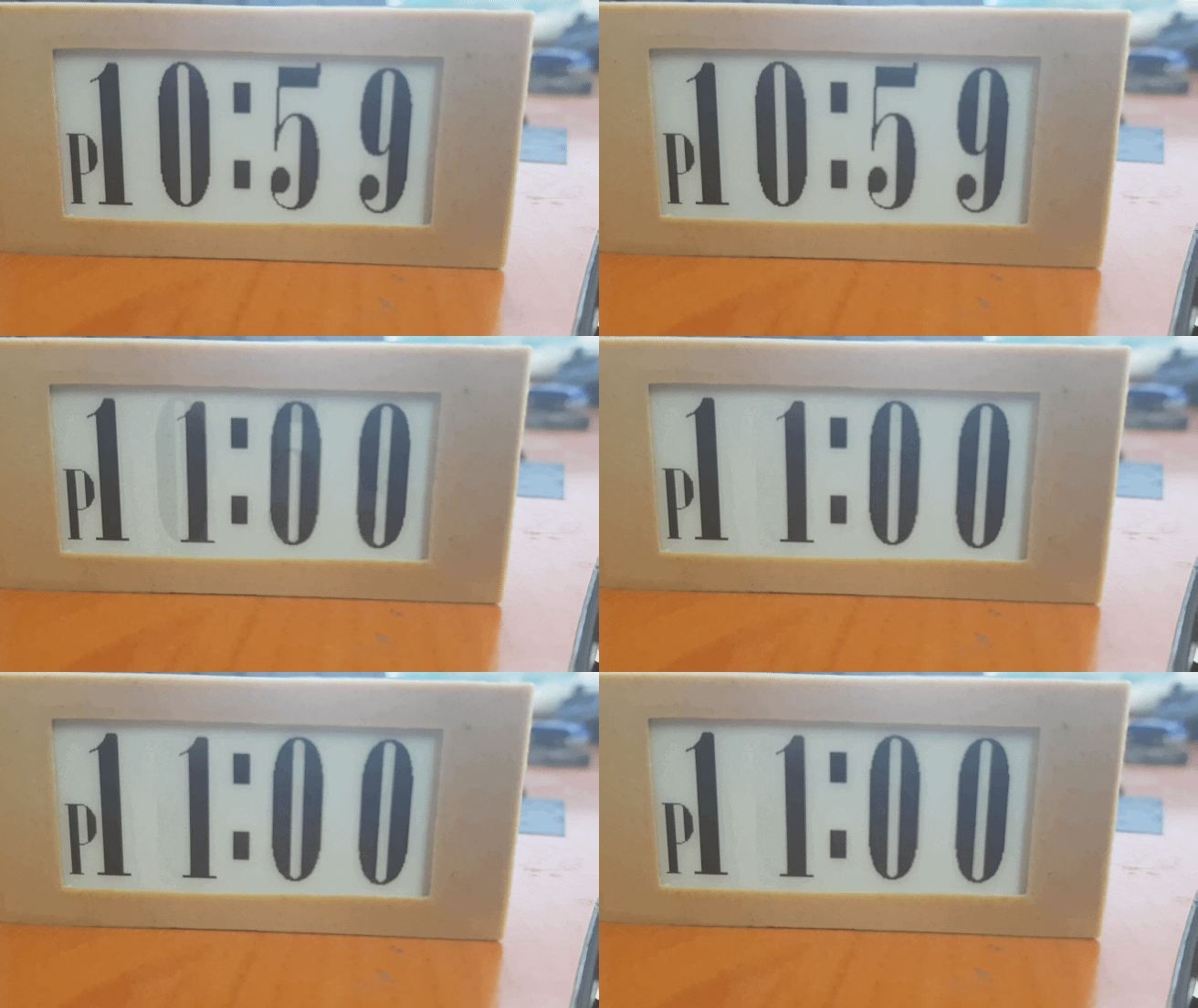
Clock features
- Light compact 3d print design.
- Use a single CR2032 coin cell that will last around 4 months.
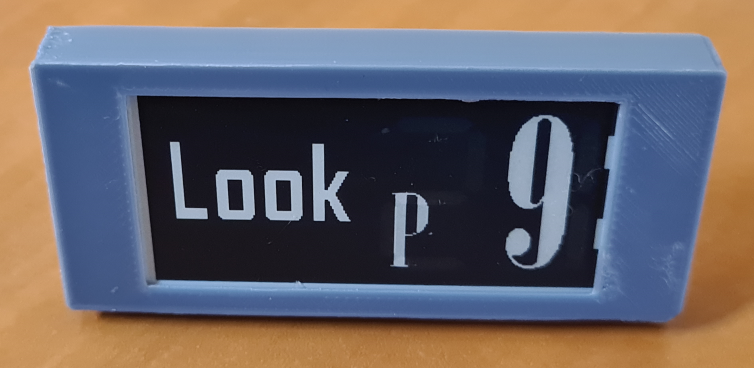
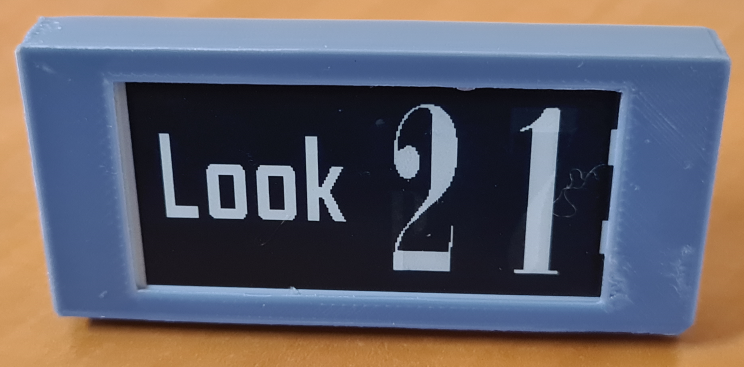
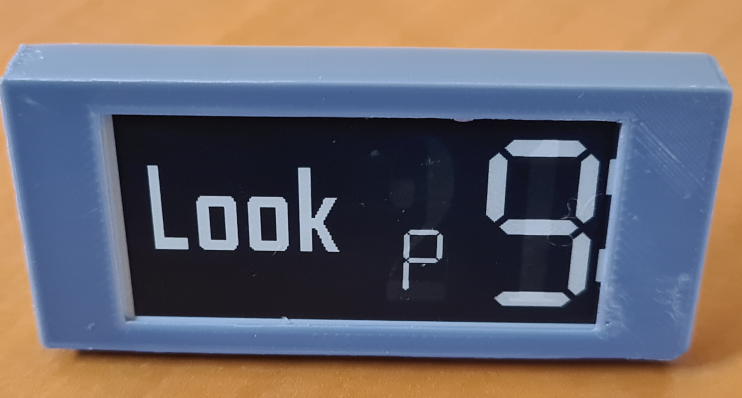
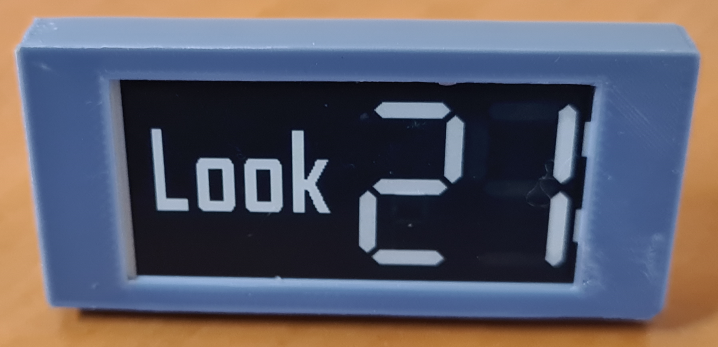
- Upload custom font (graphics) on the 32Mb (4MB) flash.
- Easy to program using a launchpad.
- Code is writing in Energia, a modified version of the Arduino IDE
Current software features
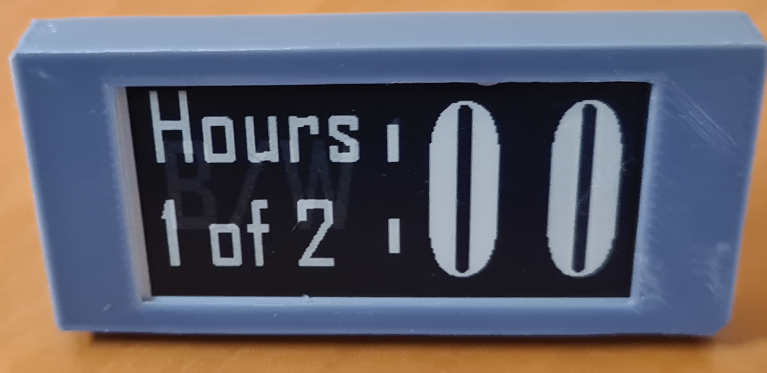
- Setup time menu. Two button navigation.
- Upload flash data using USB serial from your PC.
- 24 or AM PM configuration
- Dark mode
Hardware
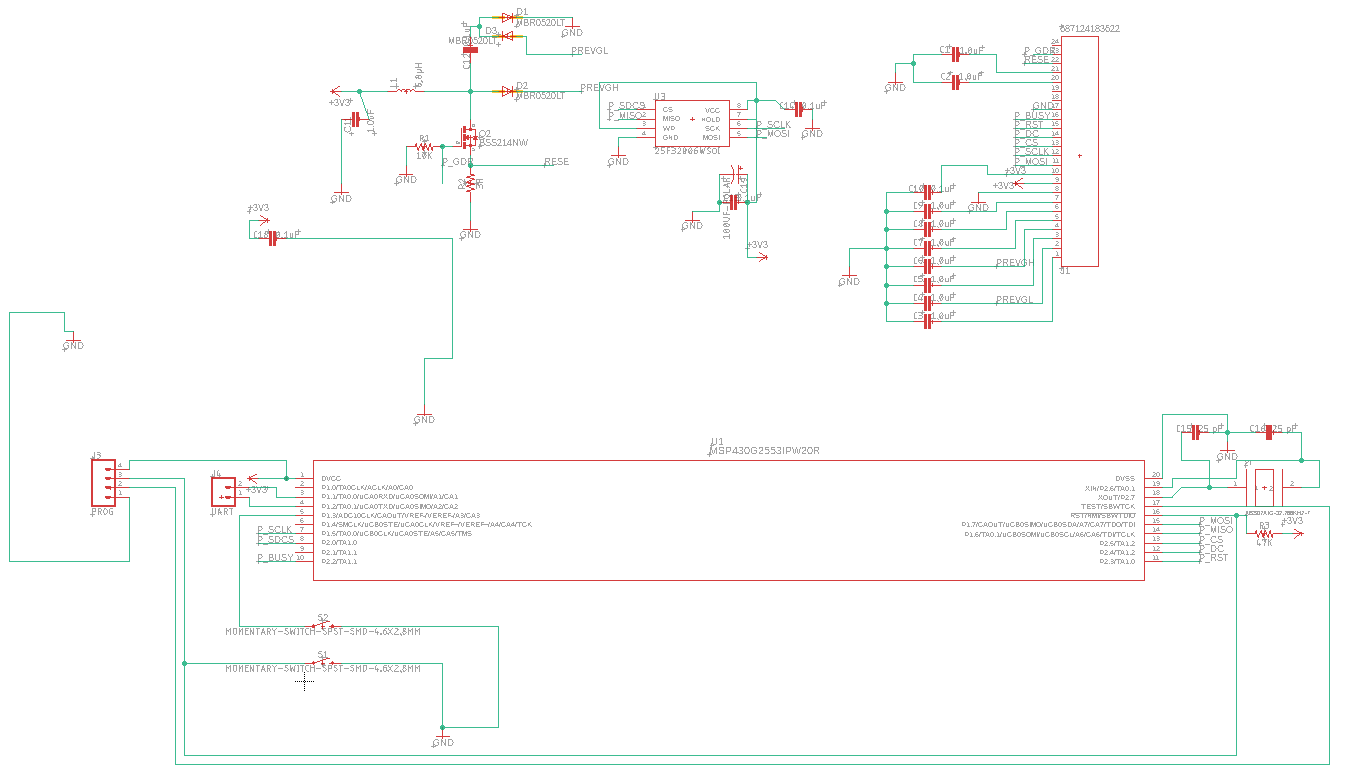
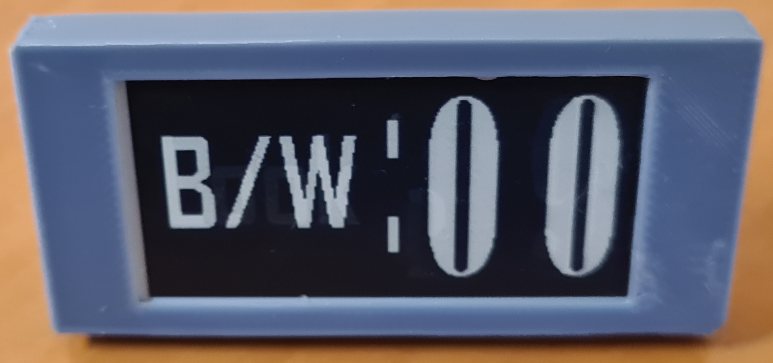
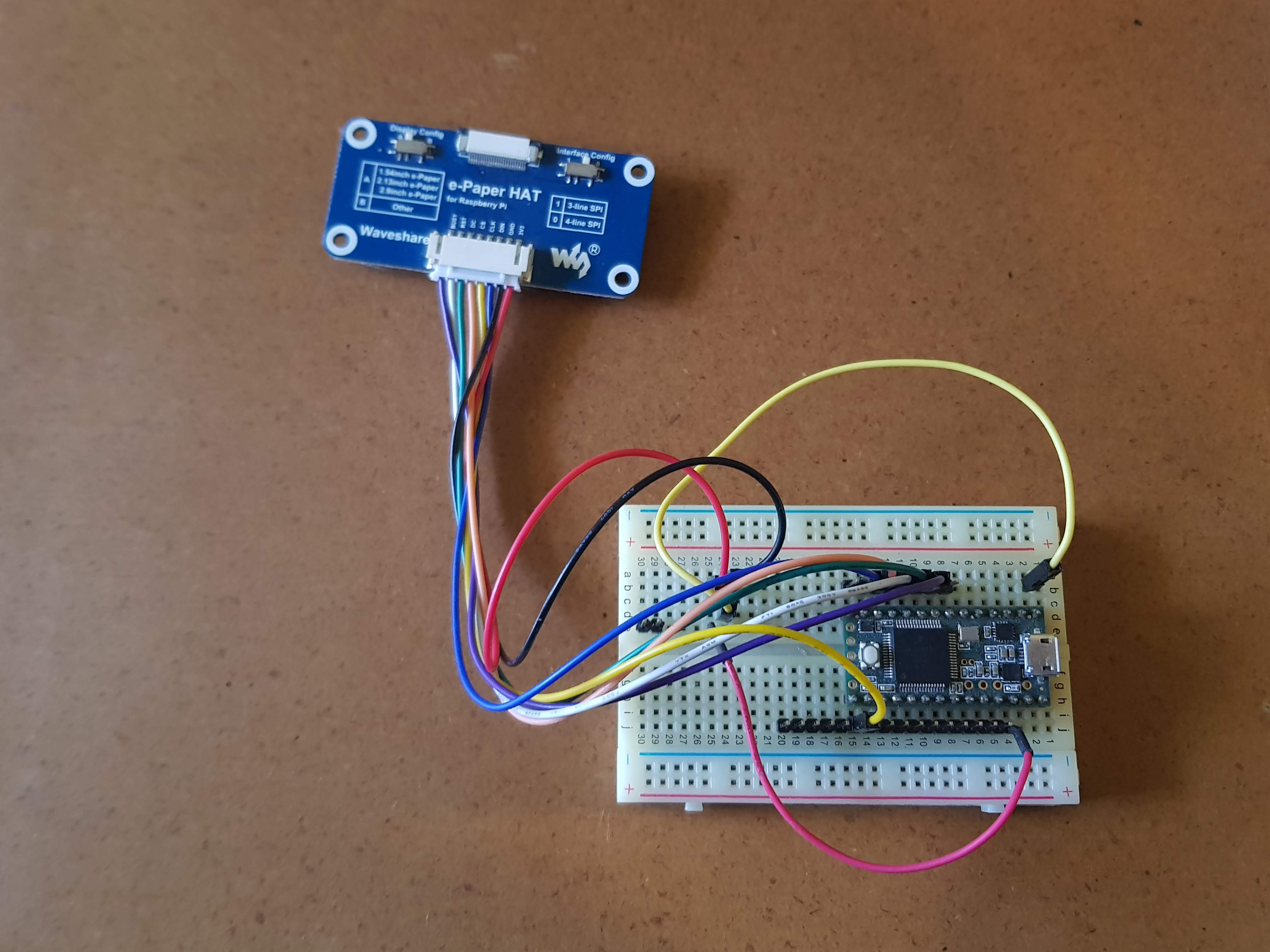
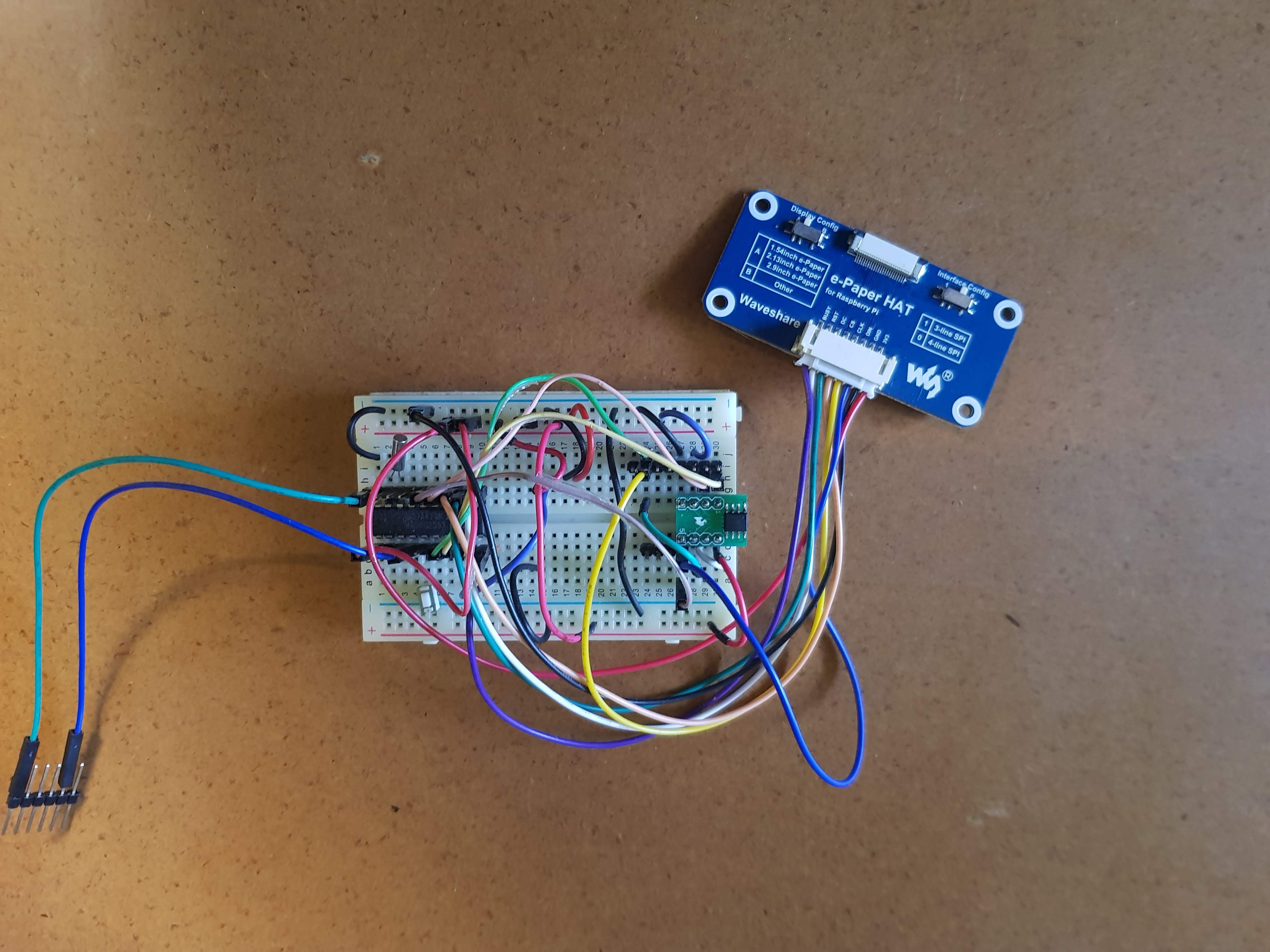
- Display: 2.13 inch b/w epaper display (v2). More detail here .
- MCU: Texas Instruments MSP430G2553IPW20R (TSSOP-20)
- Flash chip: NOR Flash SPI 32Mb (4M x 8) . Tested GD25Q32CTIGR,W25Q32JVSSIQ,BY25Q32BSTIG
- 32.768 kHz crystal for accurate time keeping.
- The necessary components plus 24 Position FFC, FPC Connector for the epaper display.
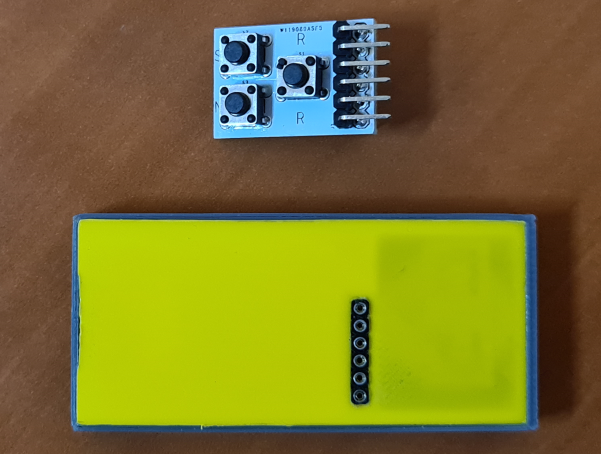
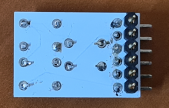
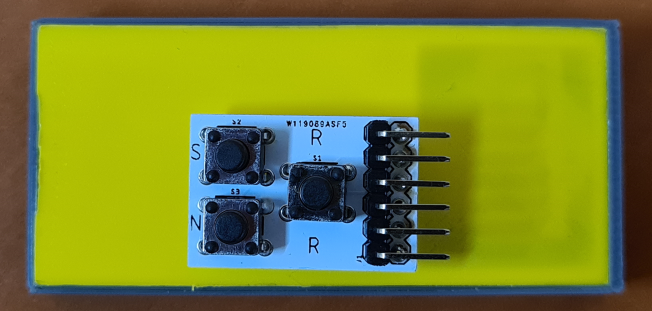
- Extra reset switch and mode switch.
- Header to flash the MSP430 and serial (UART) for debugging and uploading to the NOR Flash chip.
Development environment
Software
Energia a Arduino like environment . I could easily port the example code from Waveshare and SPI Flash code. I think it will be possible to make the code AVR compatible.
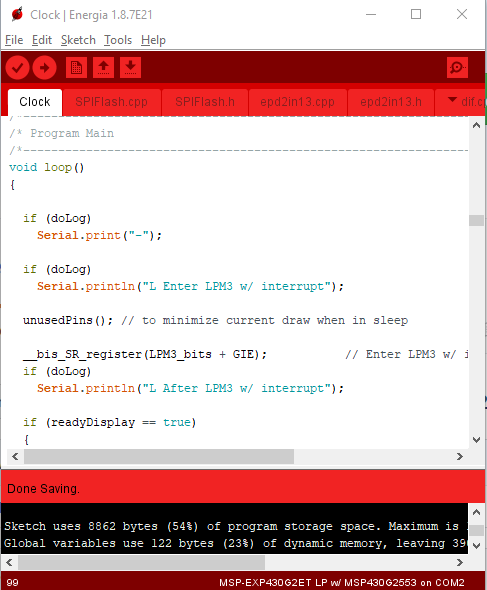
Code is on GitHub.
https://github.com/waldow/epaper-msp430-clock
Uploading
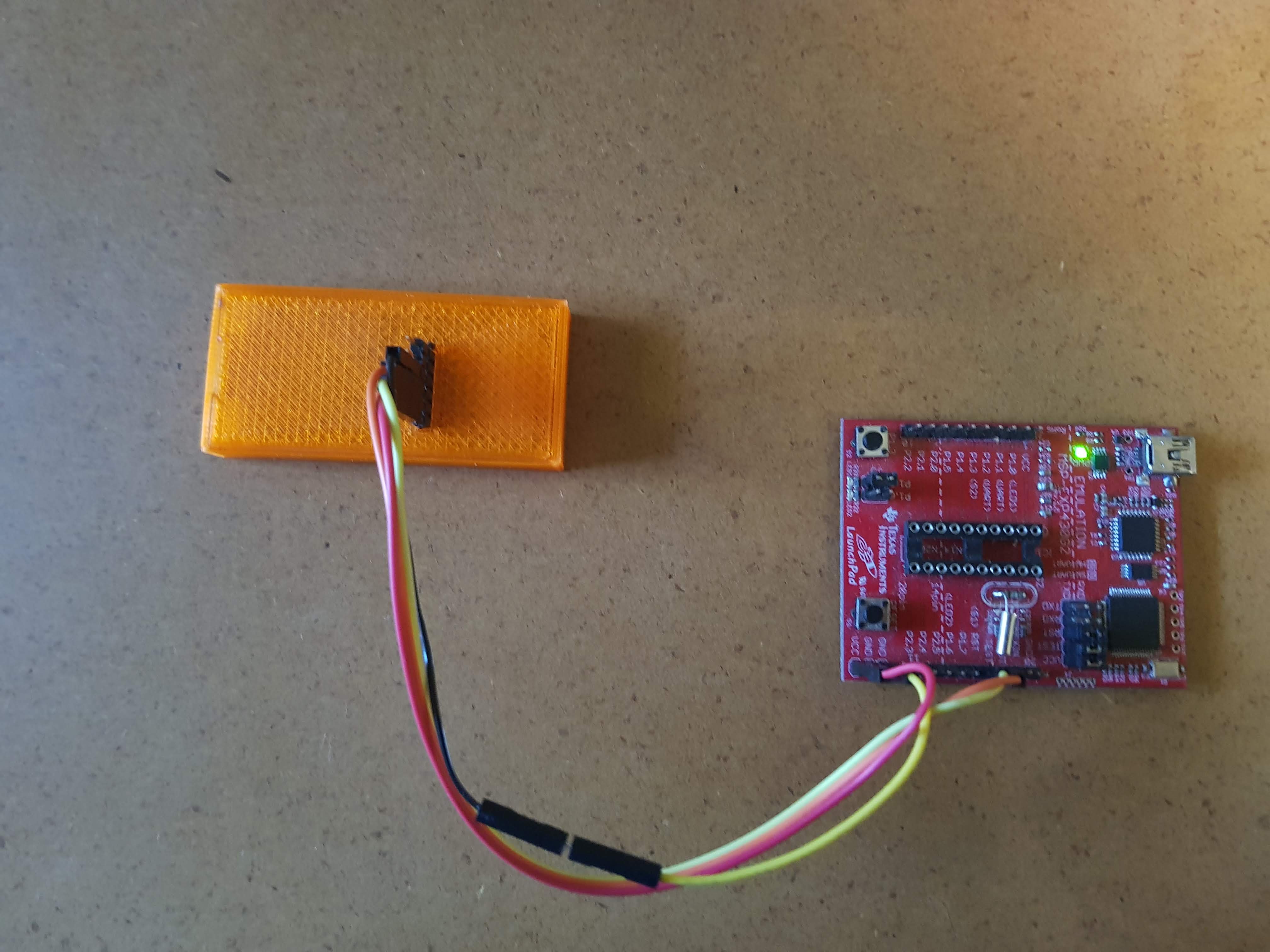
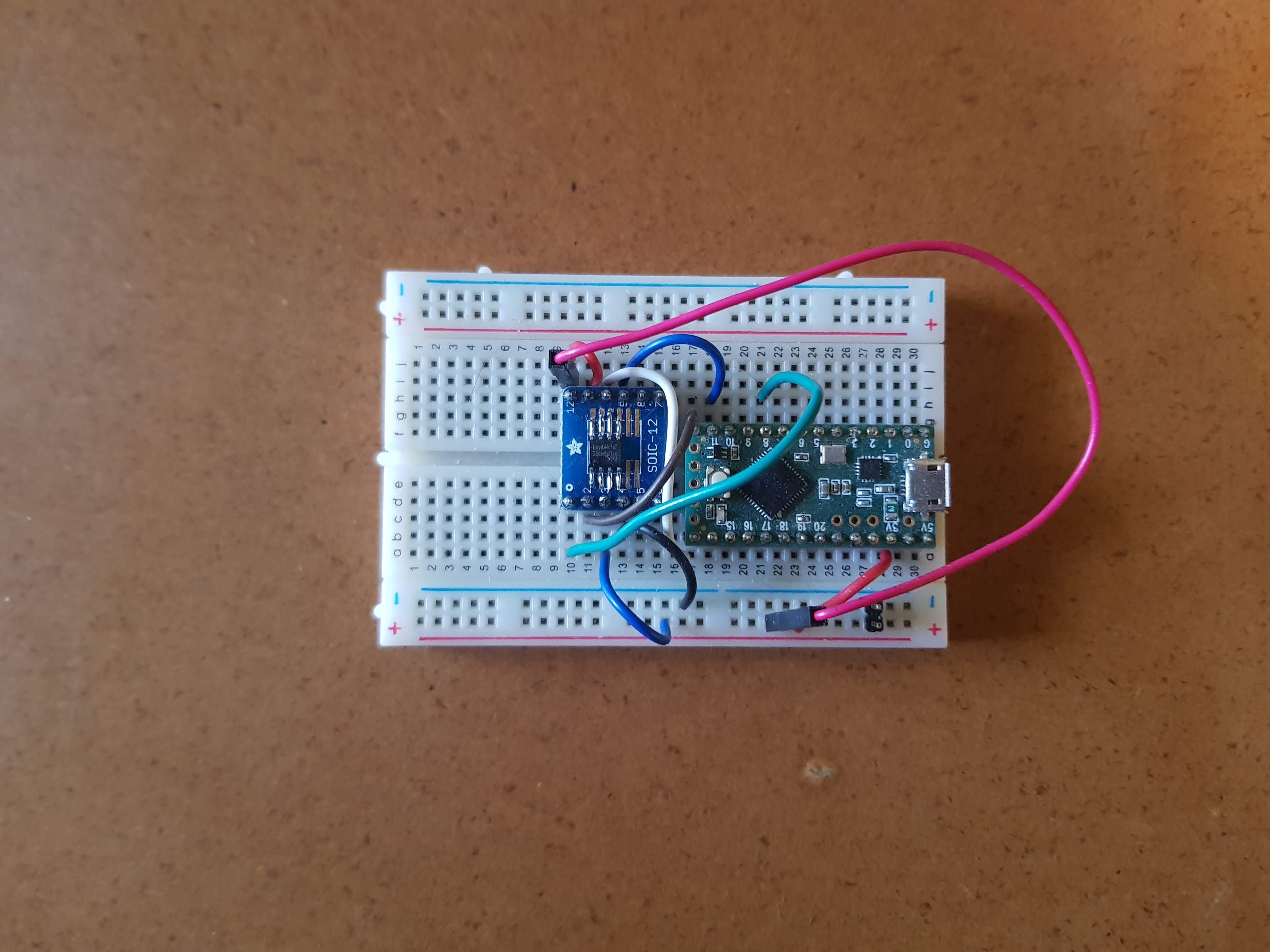
I used a empty LaunchPad to flash the on-board MSP430.
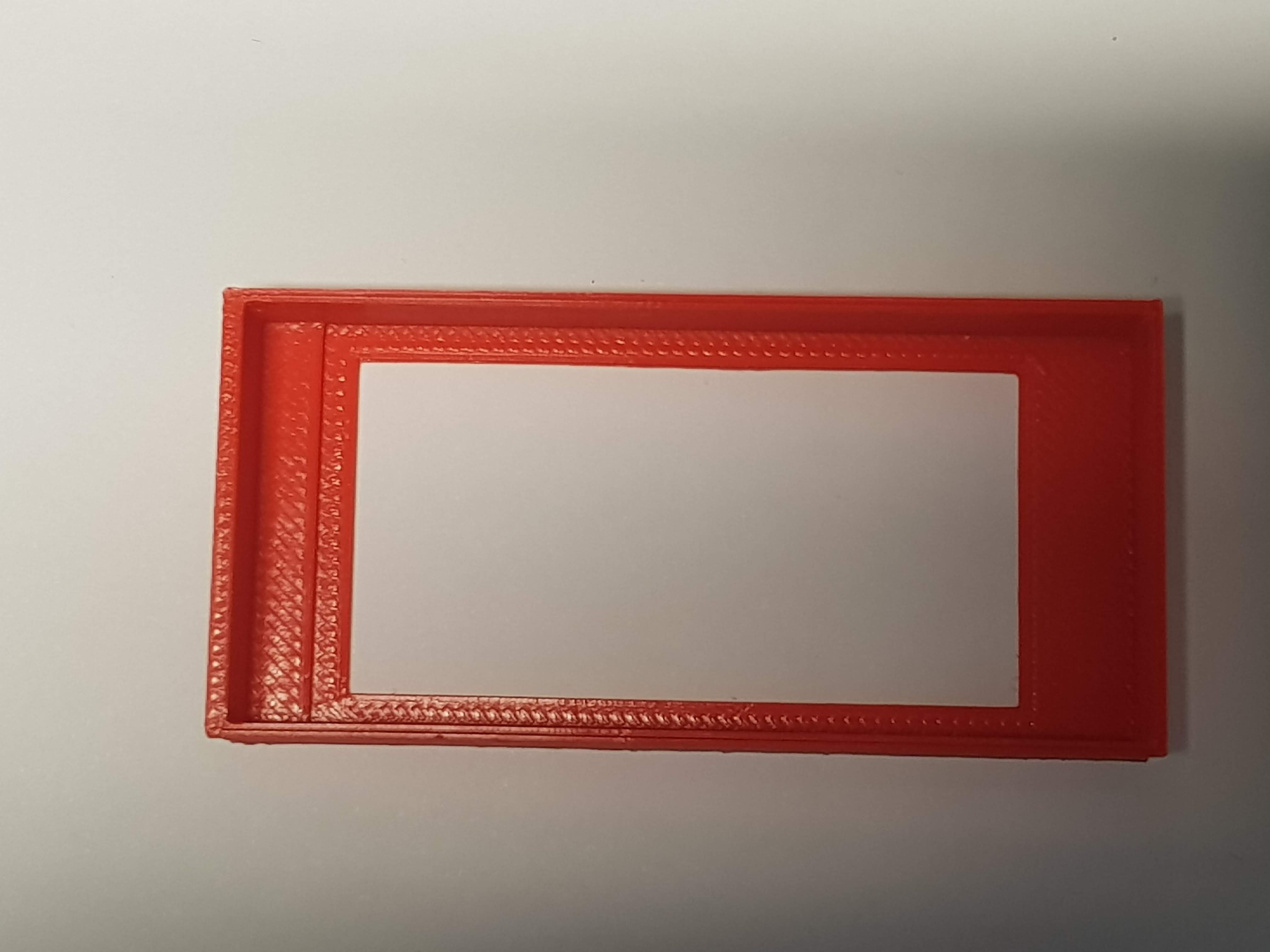
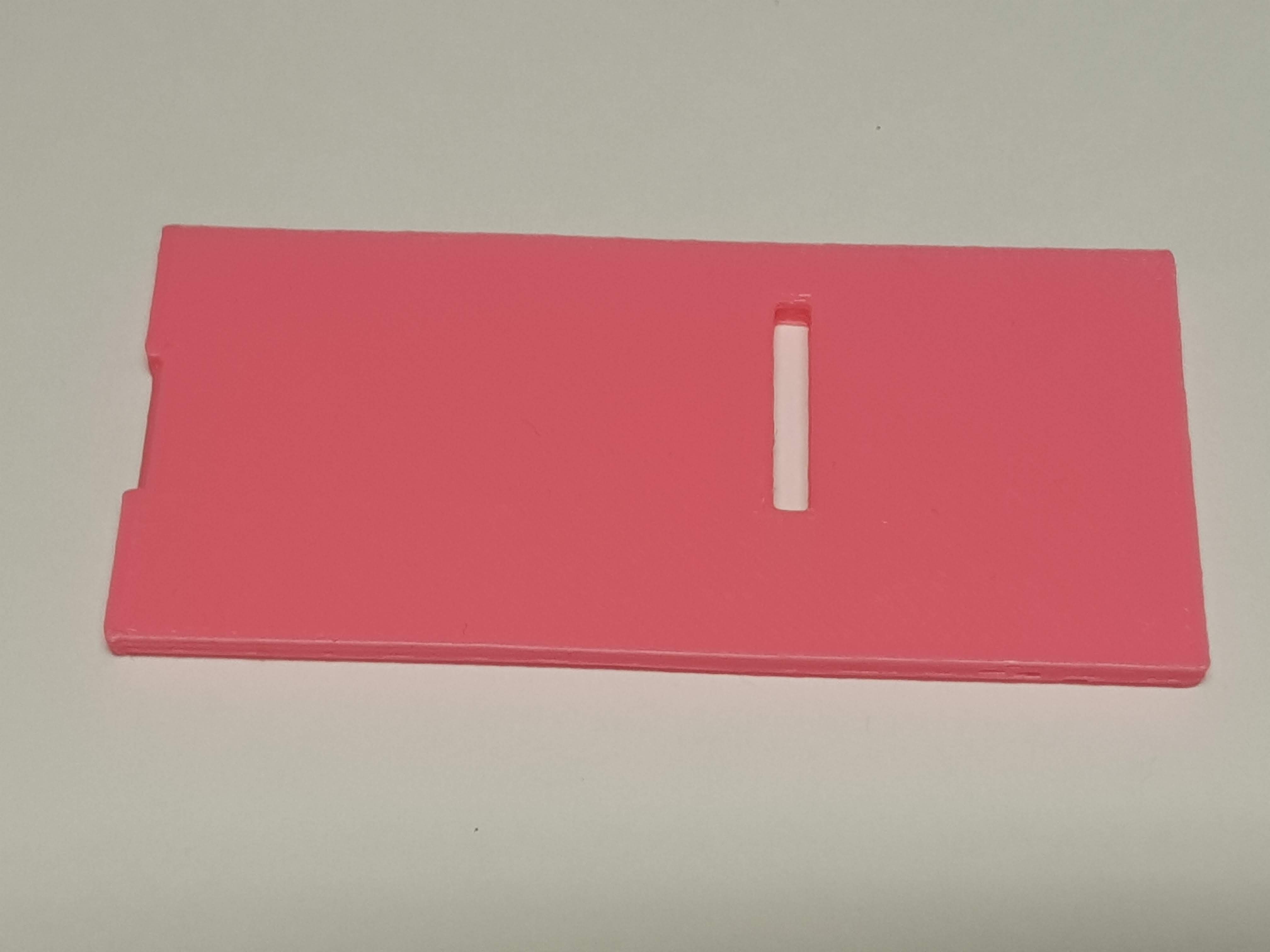
3D printed frame
Design
Designed in tinkercad .
Frame: https://www.tinkercad.com/things/isBPXQ68gBb-epaper-frame-213-slim
Back: https://www.tinkercad.com/things/azmAttb4wlV-epaper-213-back-slim
Power usage and battery life.
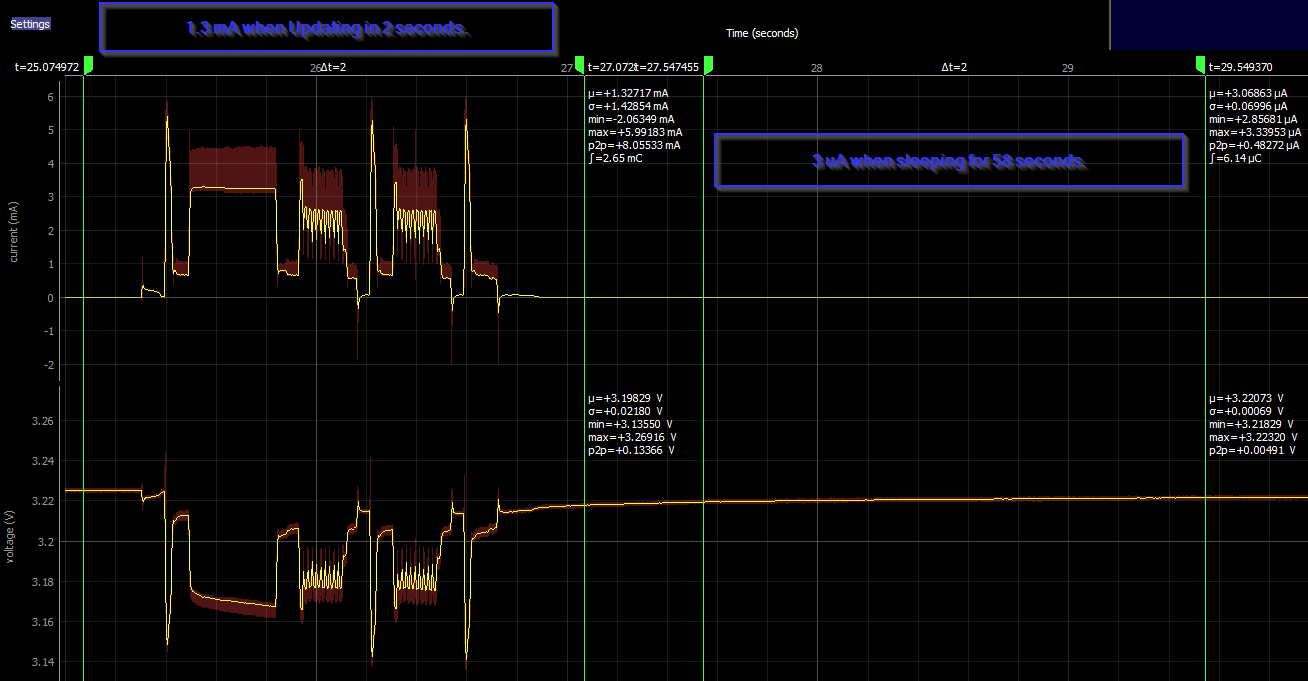
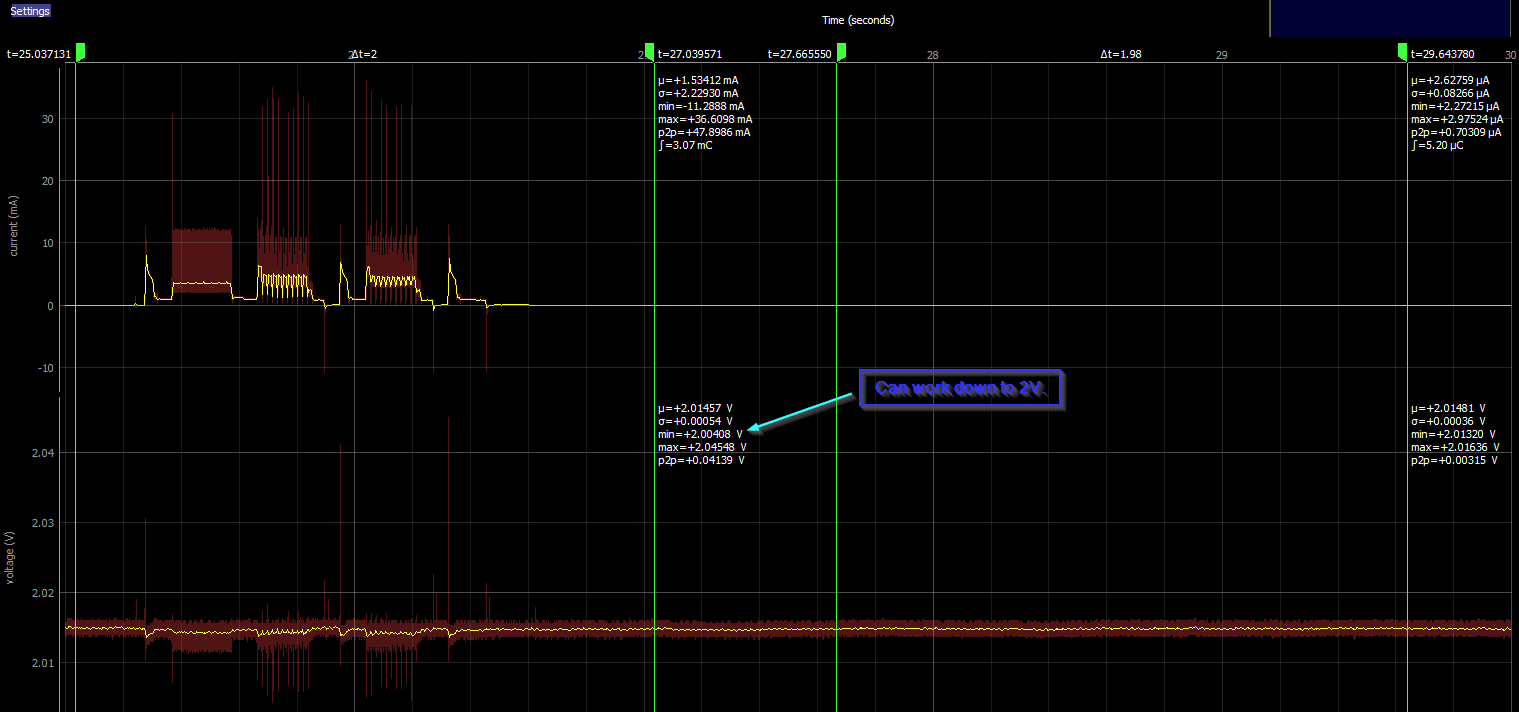
Thanks to my resent acquired Joulescope I could really optimize and troubleshoot power usage.
Using an average 3uA when sleep and 1.3mA average when updating for 2 seconds.
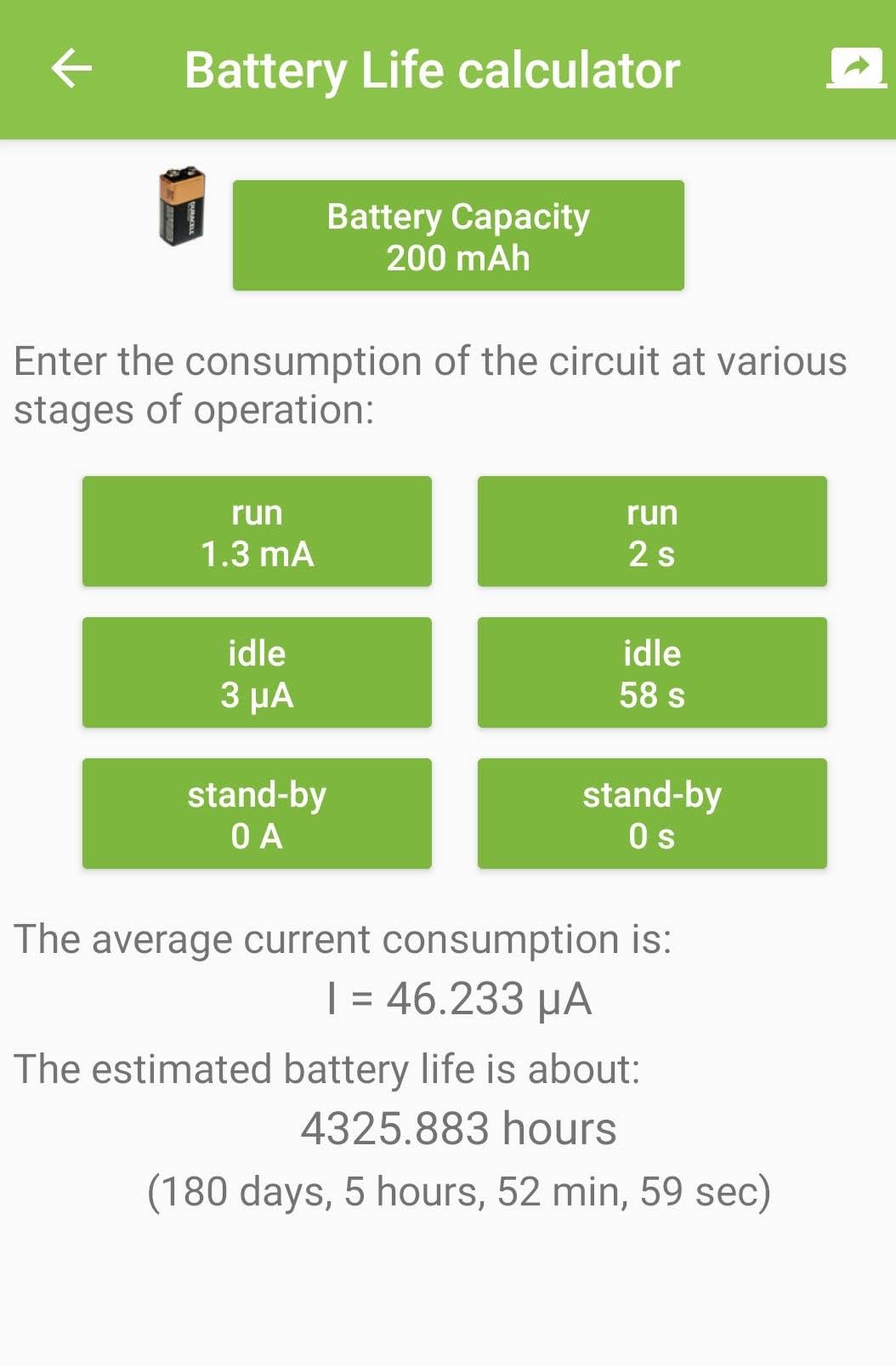
Good CR2032 have 240mAh capacity . If we work on 200mAh, the clock can last 180 days.
Tested low voltages on my bench power supply.






 Savo
Savo
 Paul Andrews
 dan.delany
 Logan Cummings
Cool project. Well done. Well documented!