 Nasser
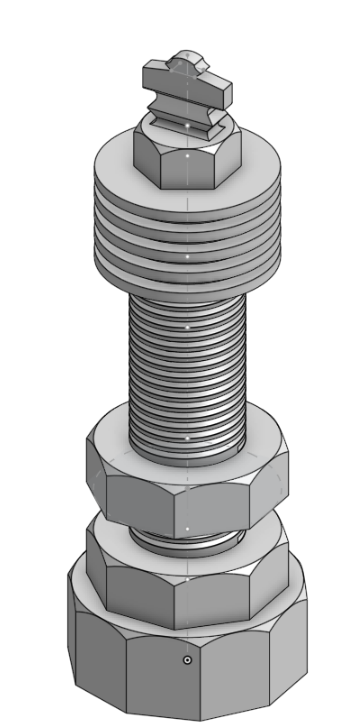
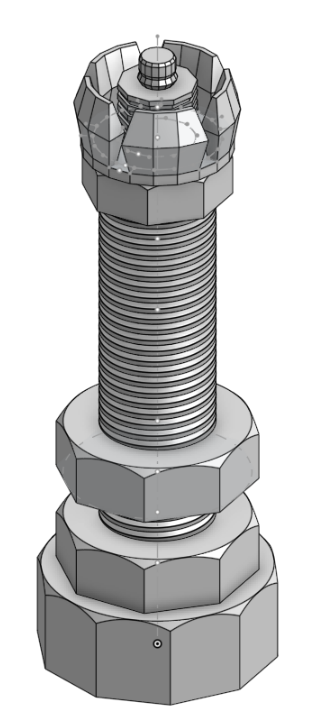
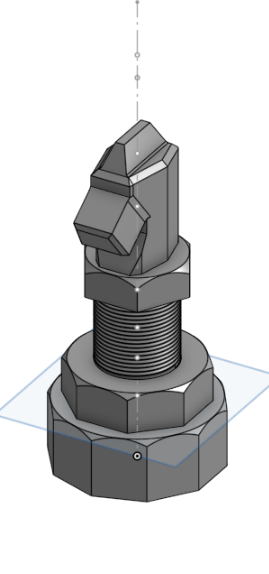
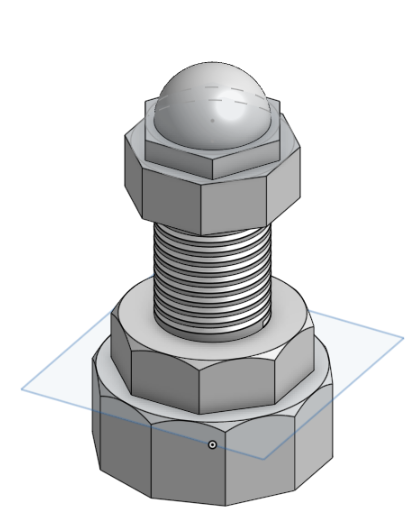
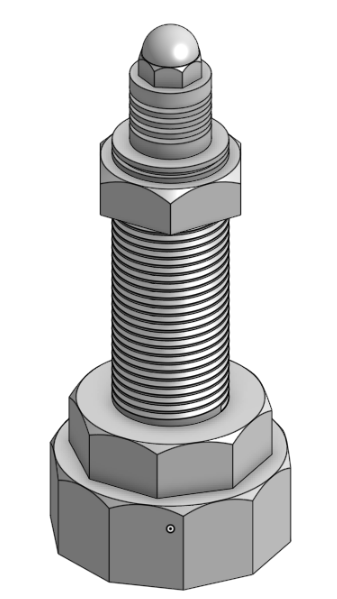
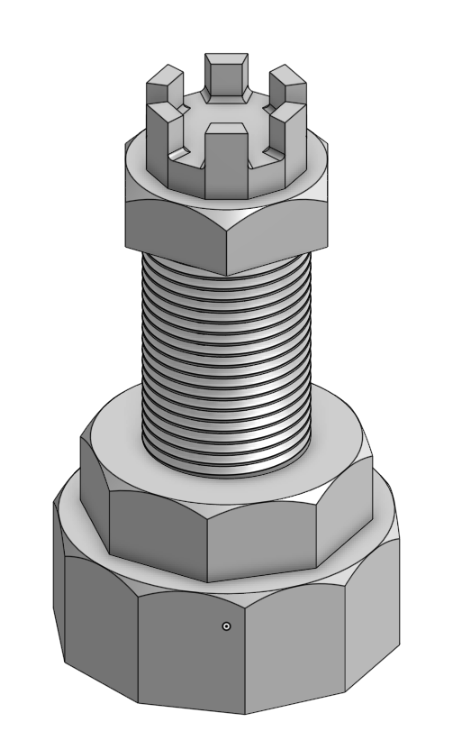
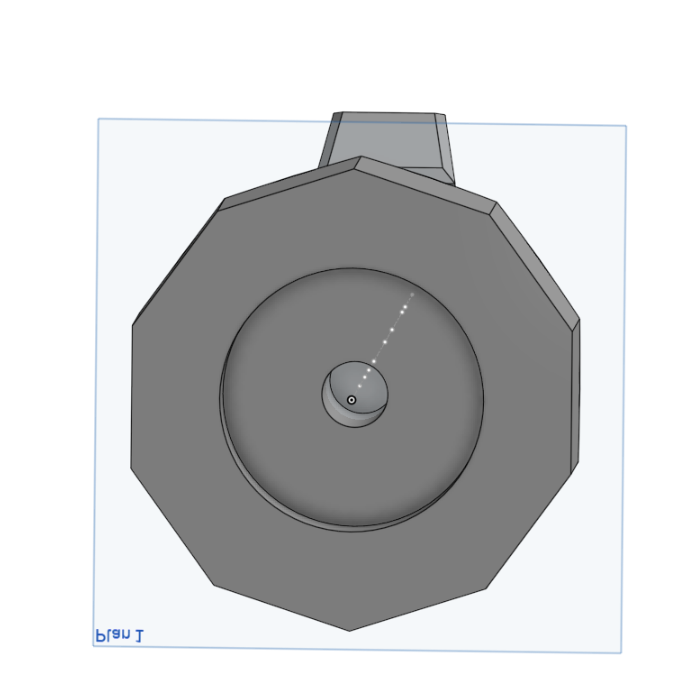
Next, we modeled the chess pieces: King, Queen, Rook, Knight, Bishop, and Pawn. They are about 40mm ± 15mm tall with 20mm diameter bases. We gave them similar profiles so the gripper can grab any of them reliably. Each piece has a 12mm hole at the bottom for a magnet.
Here are some of our design for the chess piece:
| KING | QUEEN | KNIGHT |
 |  |  |
| PAWN | BISHOP | ROOK |
 |  |  |
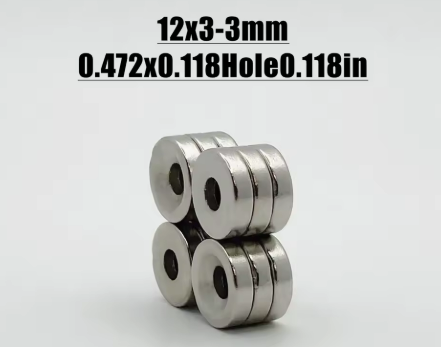
We used magnets to keep the pieces on the board and help them self-center. We needed 128 magnets total: 32 for the pieces, 64 for the squares, and 32 for the capture zone. We chose 12mm x 3mm neodymium magnets with a center hole so we could screw them in instead of using glue
Because neodymium is so strong, we had to find the right amount of plastic to put between the board magnets and the piece magnets. If they touch directly, they are too hard to pull apart. We needed enough grip to hold the pieces upside down during movement, but not so much that the robot couldn't lift them.
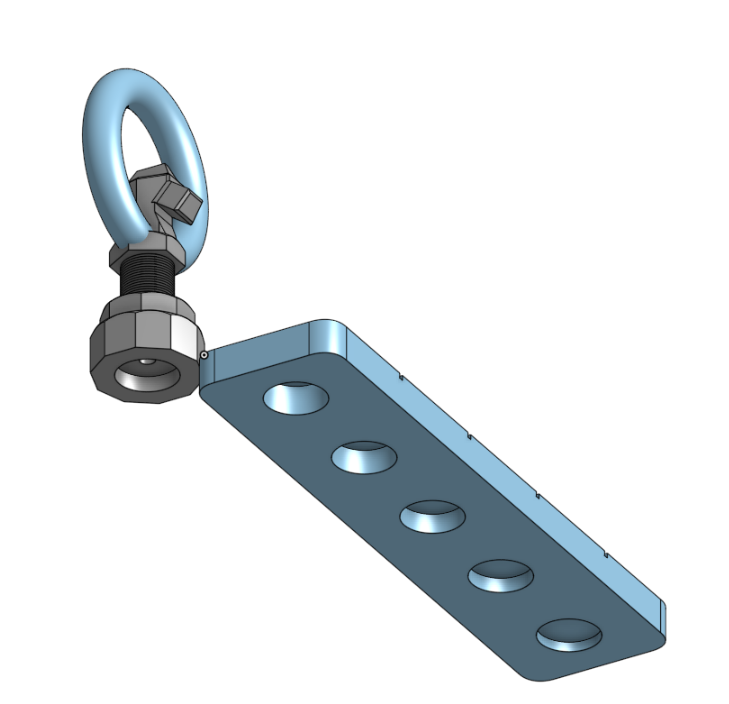
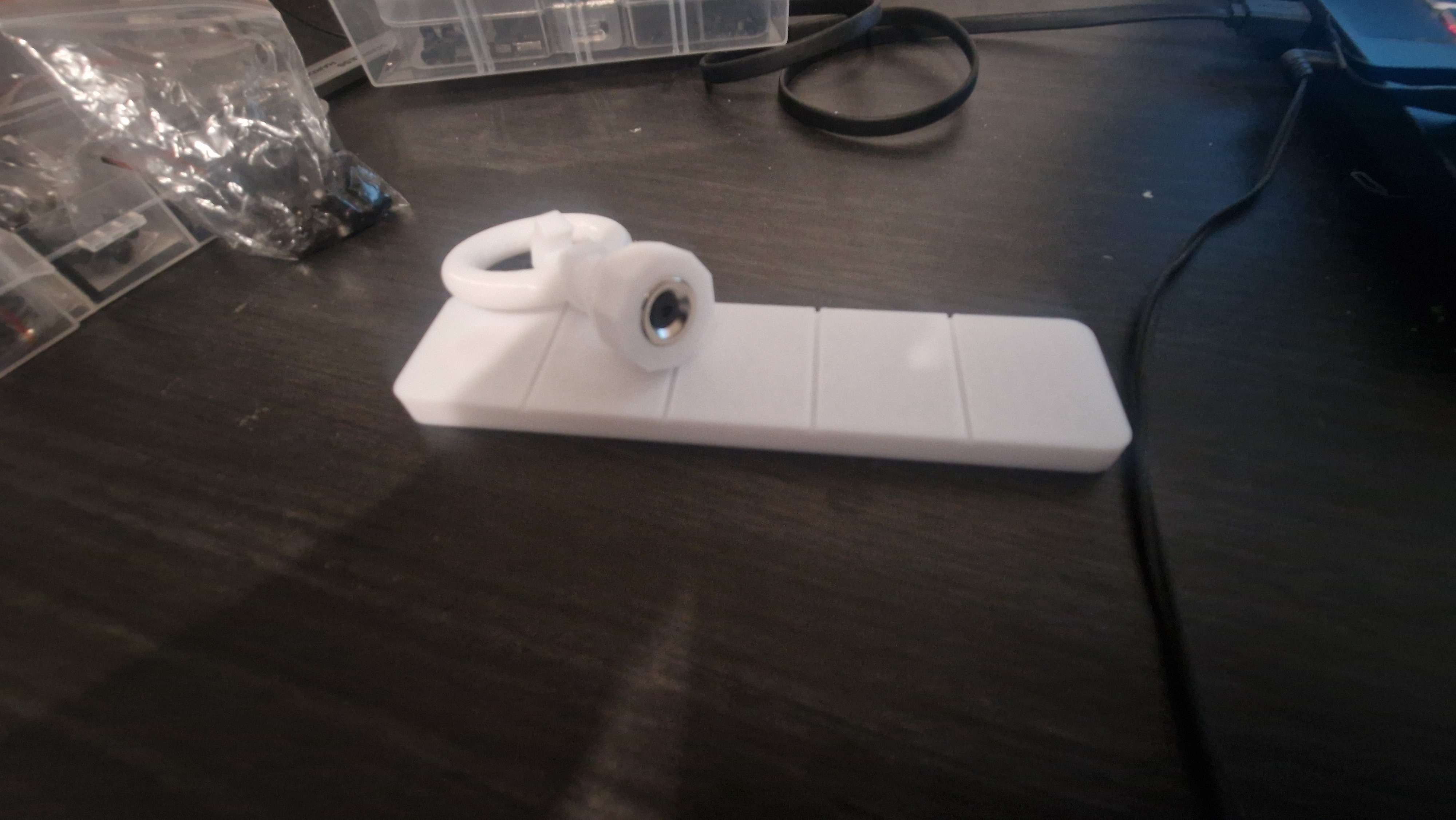
We built a test bench with plastic thicknesses ranging from 1mm to 5mm. We attached a ring to a piece and used a luggage scale to measure the force needed to pull it off. We also checked if the pieces stayed attached during abrupt movements or when held upside down
After conducting our tests, we obtained the following results:
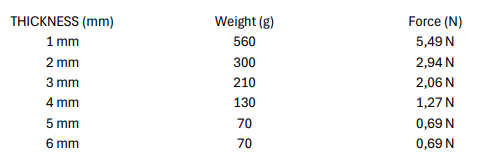
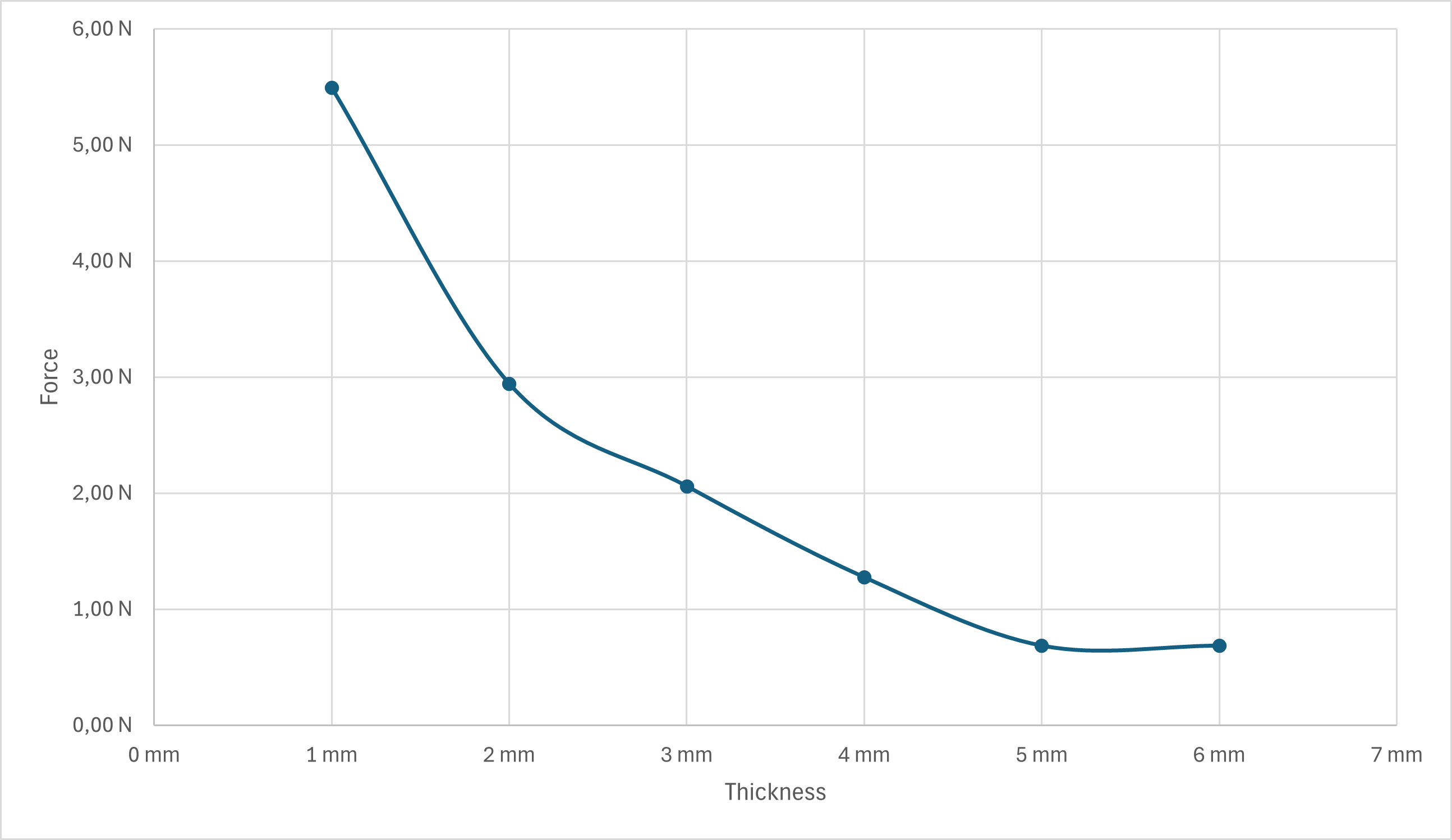
(The infamous inverse square law is back at it again, see our log on the small hydraulic arm •_• )
With this decision, we updated the sphere design accordingly to incorporate the 3mm thickness.
Discussions
Become a Hackaday.io Member
Create an account to leave a comment. Already have an account? Log In.