 solitary dev


What is TongDou?
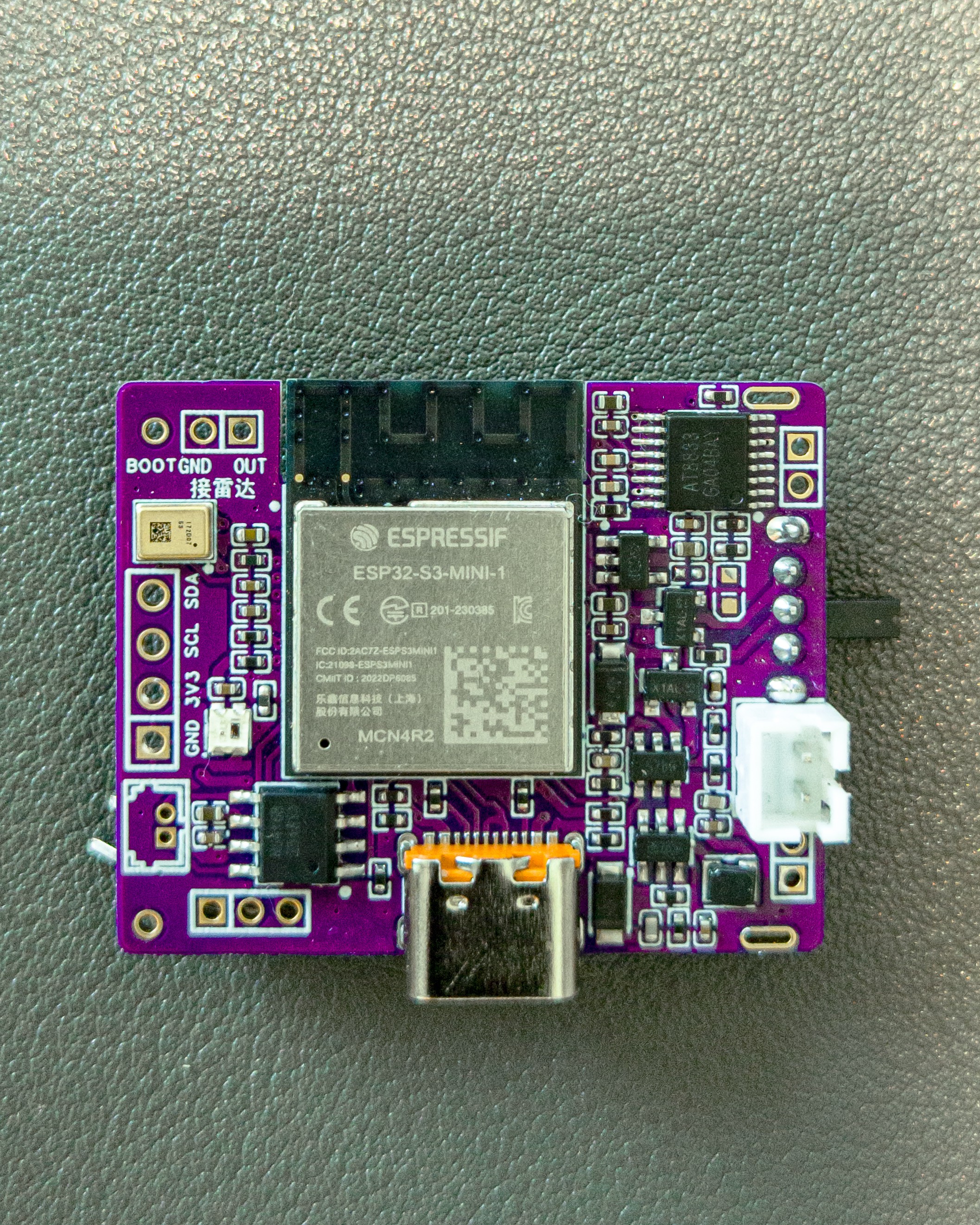
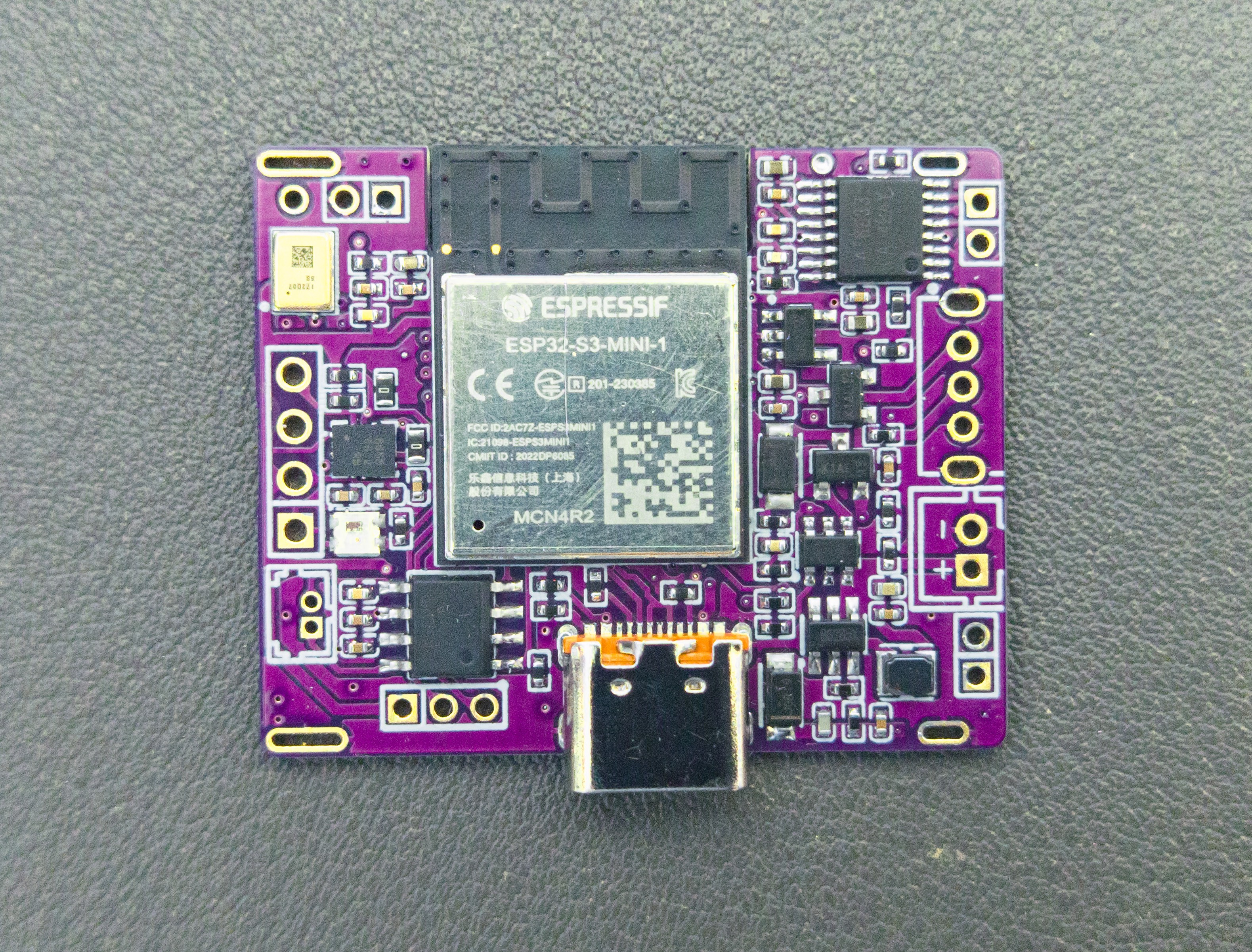
TongDou is a tiny open-source desktop gremlin built around an ESP32-S3, a brass frame, custom PCB, OLED eyes, two geared wheels, a microphone, a speaker, and a 24 GHz presence radar.
The goal is to make a small machine that feels alive through conversation, expressions, lights, and tiny wheel gestures — with a strange, imperfect, slightly mischievous personality of his own.
What he can do today
TongDou has reached the Early Tester stage, with application firmware and a companion TongDou Server available to download.
The current software supports:
- Natural voice conversation with character reactions.
- Logo touch and local voice wake-up.
- Creating, listing, deleting, and snoozing reminders.
- Proactive reminders to take a break and drink water.
- OLED expressions, lighting feedback, and physical reactions.
- Weather, news, and web search through configured server services.
- Seven selectable setup languages.
The ESP32-S3 handles the device hardware and local interaction. Speech recognition, language models, speech synthesis, and long-term memory run through the companion server and its configured providers.
The v0.1.2 server package includes PowerMem background memory support and a local voiceprint service. These require configuration, and multi-speaker and cross-session behaviour still need real-use testing.
The original scripted scenes, including his first wake-up and confused coffee accountant, are also part of the project's development history.
Why I built it
I wanted to build a small desktop companion with character — something strange, imperfect, and a little mischievous.
For me, the interesting part is how a voice, a glance, or a tiny movement can make a brass-and-PCB machine feel like someone sharing your desk.
TongDou is still learning how to be that little gremlin.
Downloads and open-source development
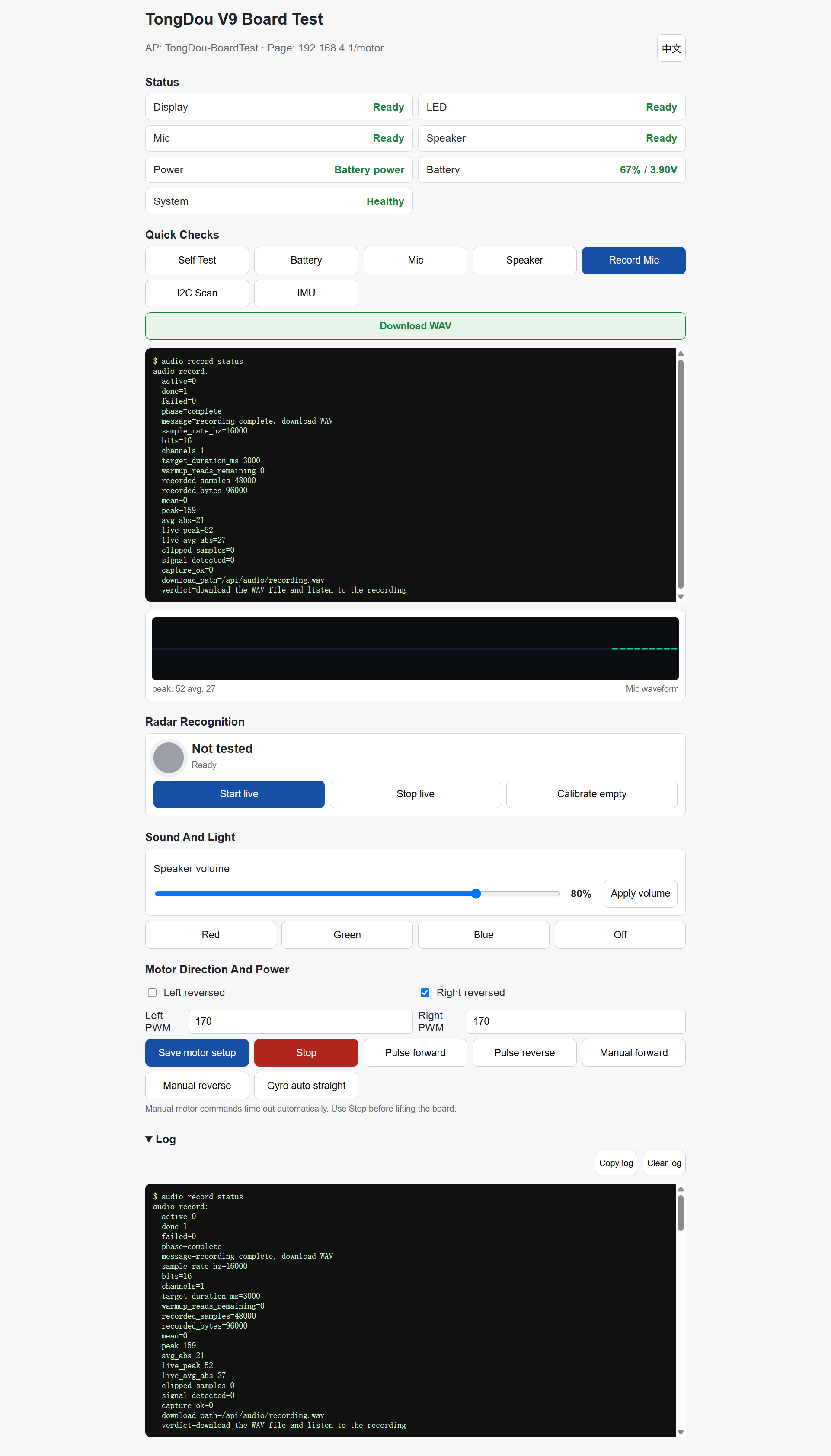
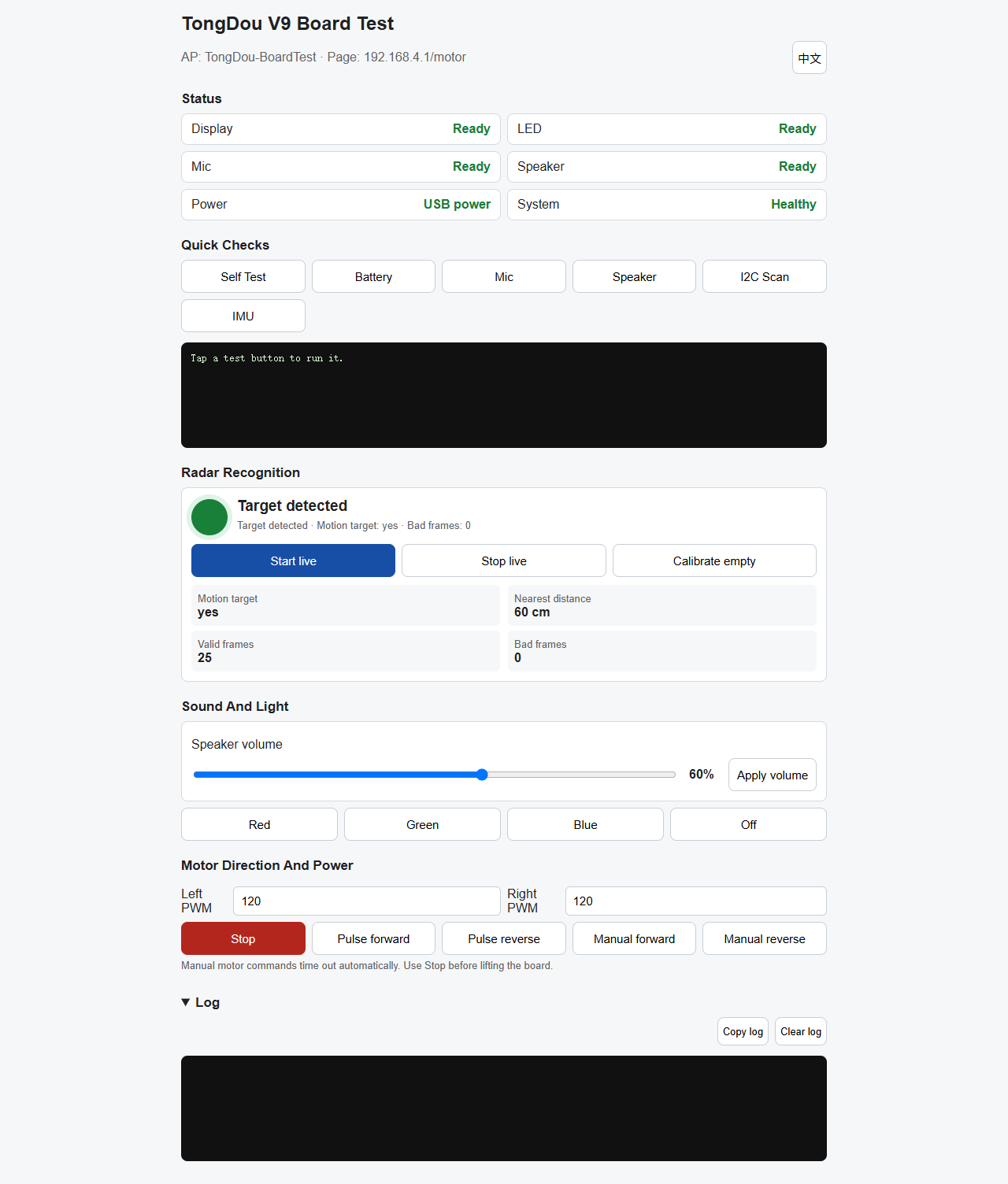
The GitHub repository and release pages contain the published project materials, hardware test firmware, and Early Tester software packages.
The v0.1.2 release provides two separate downloads:
- Precompiled application firmware for V9 hardware, with a Windows flashing tool and setup documentation.
- The matching TongDou Server source-build package, with Windows launchers, Docker build files, configuration examples, and help documents.
The server requires Docker Desktop, internet access for the first build, and your own credentials for the speech and AI providers you choose.
Project repository: https://github.com/solitary-dev-50/tongdou
v0.1.2 Early Tester downloads: https://github.com/solitary-dev-50/tongdou/releases/tag/v0.1.2-early-tester
The release ZIP files are the installation packages. GitHub's automatically generated source archives are repository snapshots.
Current status
TongDou v0.1.2 Early Tester is available as of September 8, 2026. The project is now focused on real-world testing, reliability, and everyday interaction.
This remains an Early Tester release. Desk-presence detection can vary with the room and desk layout, and memory and voiceprint behaviour need further testing in everyday conversations.
For this release, use the documented USB installation procedure. Upgrading from v0.1.0 requires a full flash because the partition layout changed, which clears saved device settings. Back up server data and follow the included migration instructions before upgrading an existing server.
Feedback from real desks is the next step: what works, what feels natural, and what still needs fixing.
 Ponderly Robotics

 Technosonder
 Michelle Mendez
 ON3 Paul Krause