 Someone Unknown


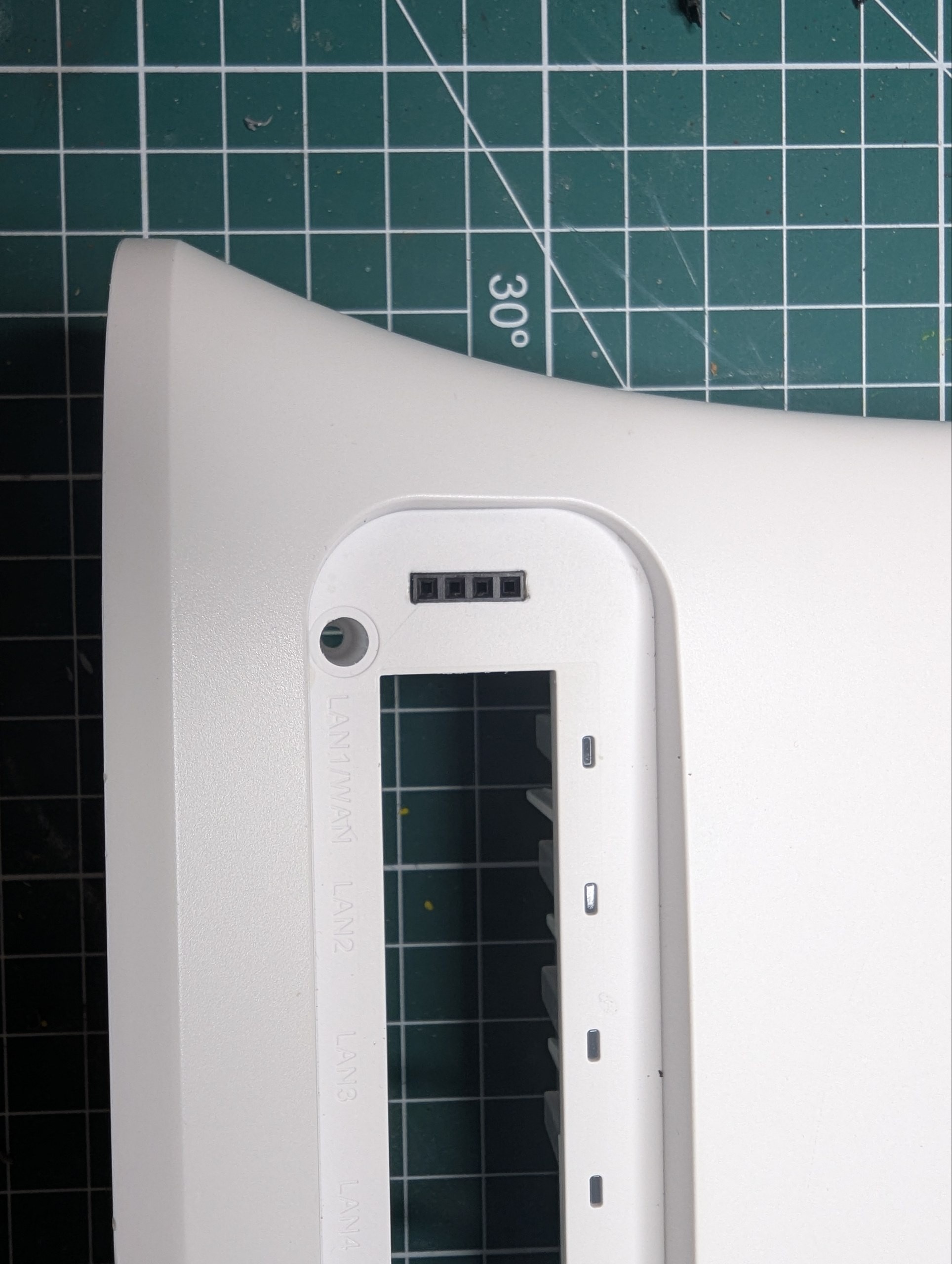
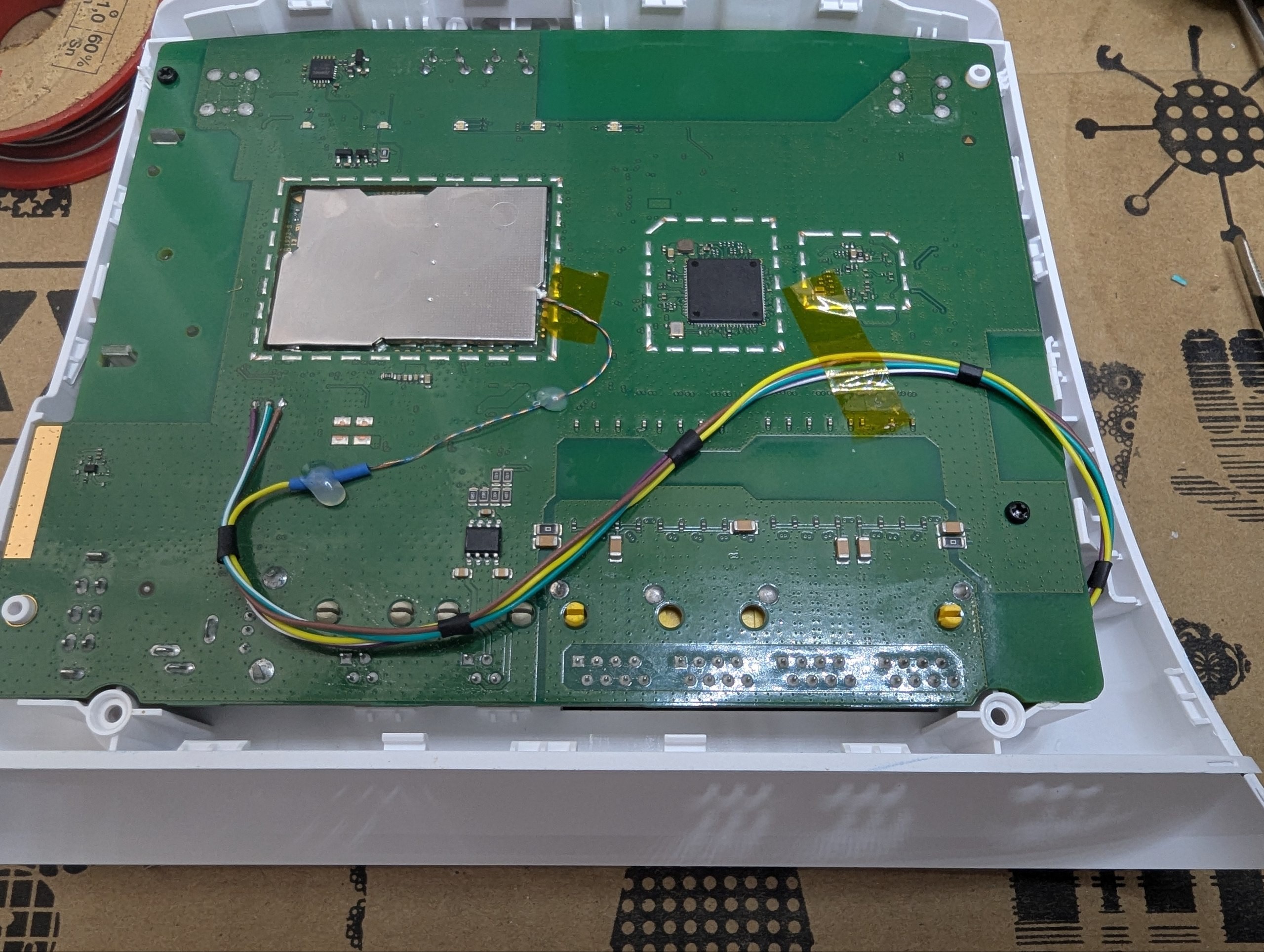
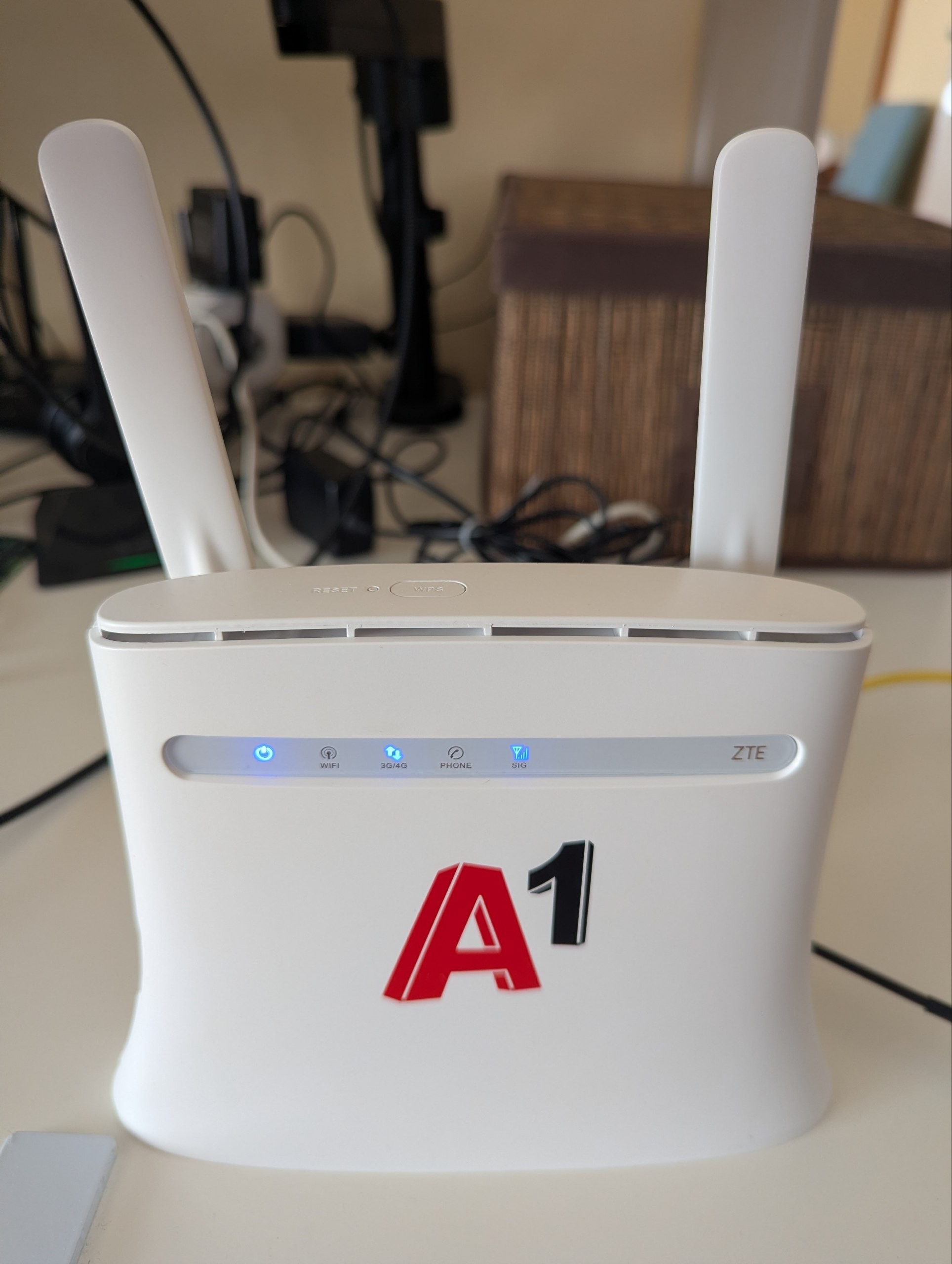
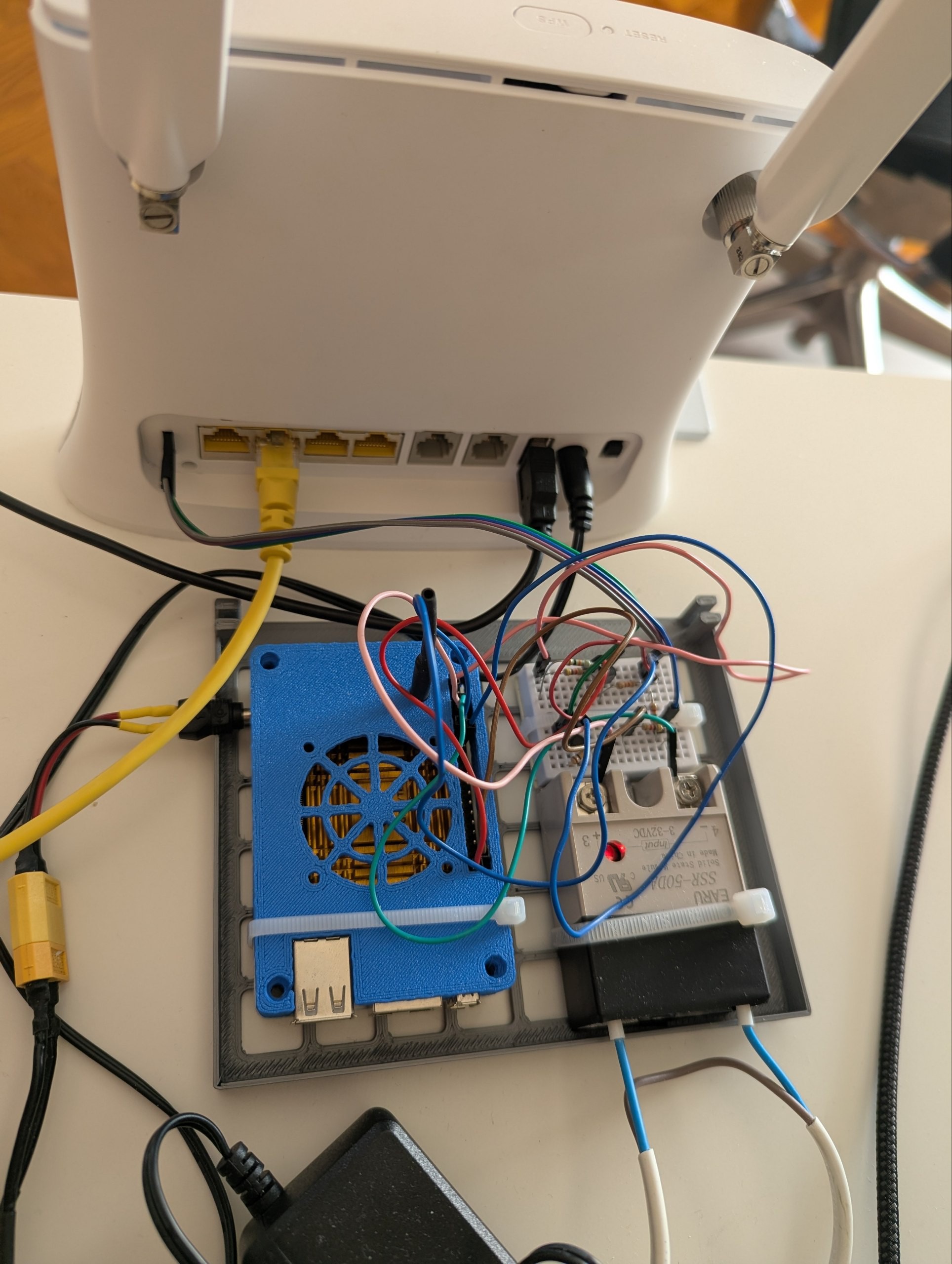
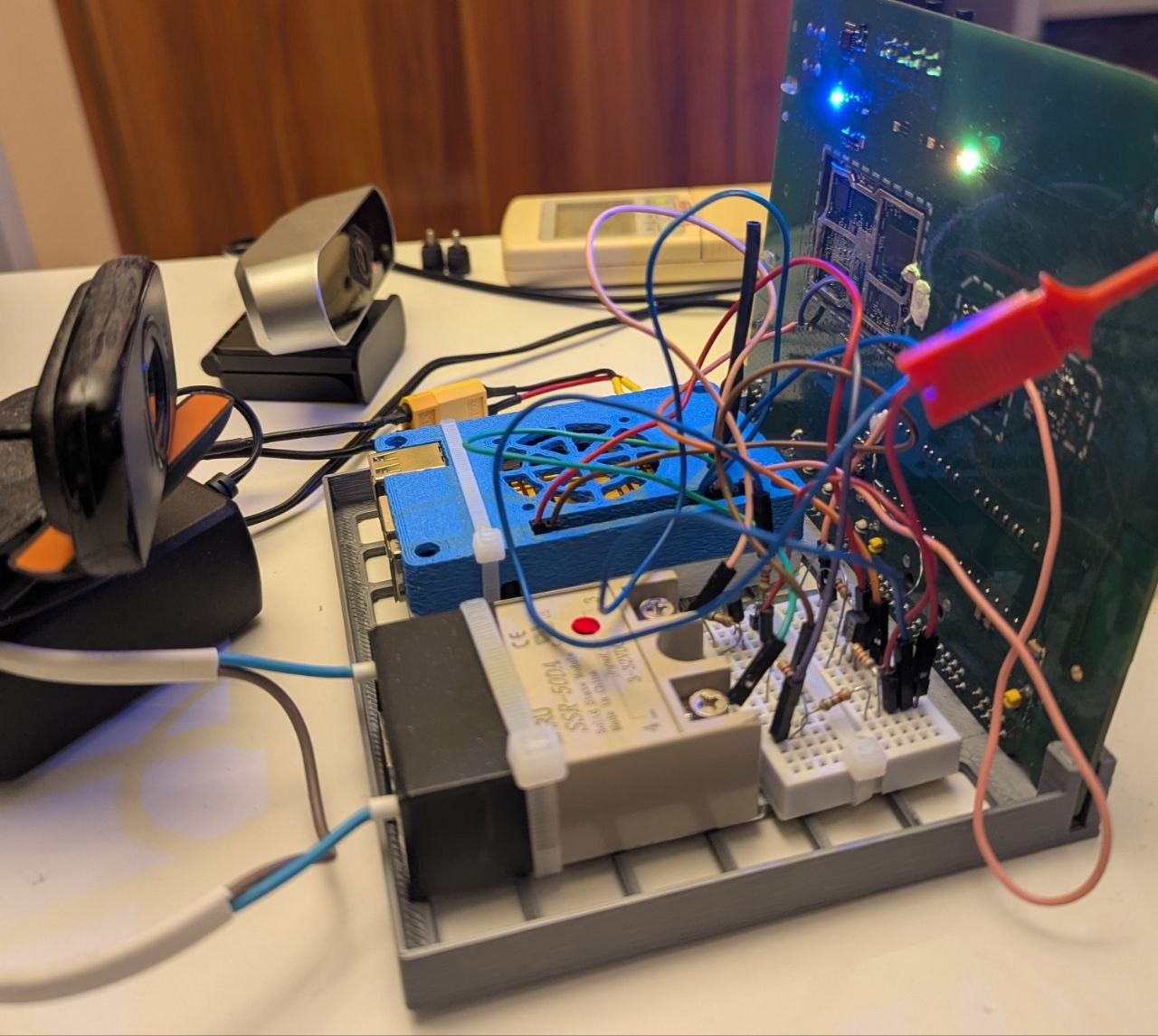
The test bench was built from what I had in the cupboard: an old Orange Pi PC Plus running an ancient Ubuntu, a Chinese SSR, and a level shifter using a single NPN transistor (the modem's UART is 1.8 V and the Orange Pi's GPIOs are 3.3 V). I also added a transistor key to short the EDL testpad to the common ground. To hold everything together, I 3D-printed a simple chassis and secured everything with nylon ties.
That setup was explained to Sol. She took it with her usual enthusiasm and seriousness, creating a document titled `AUTONOMOUS-LAB-PROTOCOL.md`. Then she successfully powered on the modem, entered the EDL mode, dumped the stock partitions, extracted their contents, and started digging into the stock firmware. The work was seething.
Basic SoC support was implemented in several hours. Sol needed occasional steering, especially with kernel patches that worked but had no chance of being accepted upstream (we know writing kernel patches is more of politics than coding), but otherwise, I hardly supervised the work before the stop signal chimed and Sol wanted me to sign off the commits. Then it was my turn to review.
After we implemented Ethernet and preliminary WWAN support, it was time for WLAN, and that turned out to be tricky. Something was off with power modes, and we didn't have driver sources. Sol fired up radare2 — I would resort to it myself at this point, if I were doing that alone — aaaaand... "Safety measures, cybersecurity risk, your query cannot be processed, if you believe it's an error, drop us a message, and we'll never respond".
Feeling like Johnny Mnemonic, I had to resort to the outlaw models. GLM-5.2 chewed the driver for breakfast and spat out a well-annotated listing that explained everything. Sol accepted it without giving a word. So, a disassembled driver is not a cybersecurity threat, the process of disassembly is. Obvious.
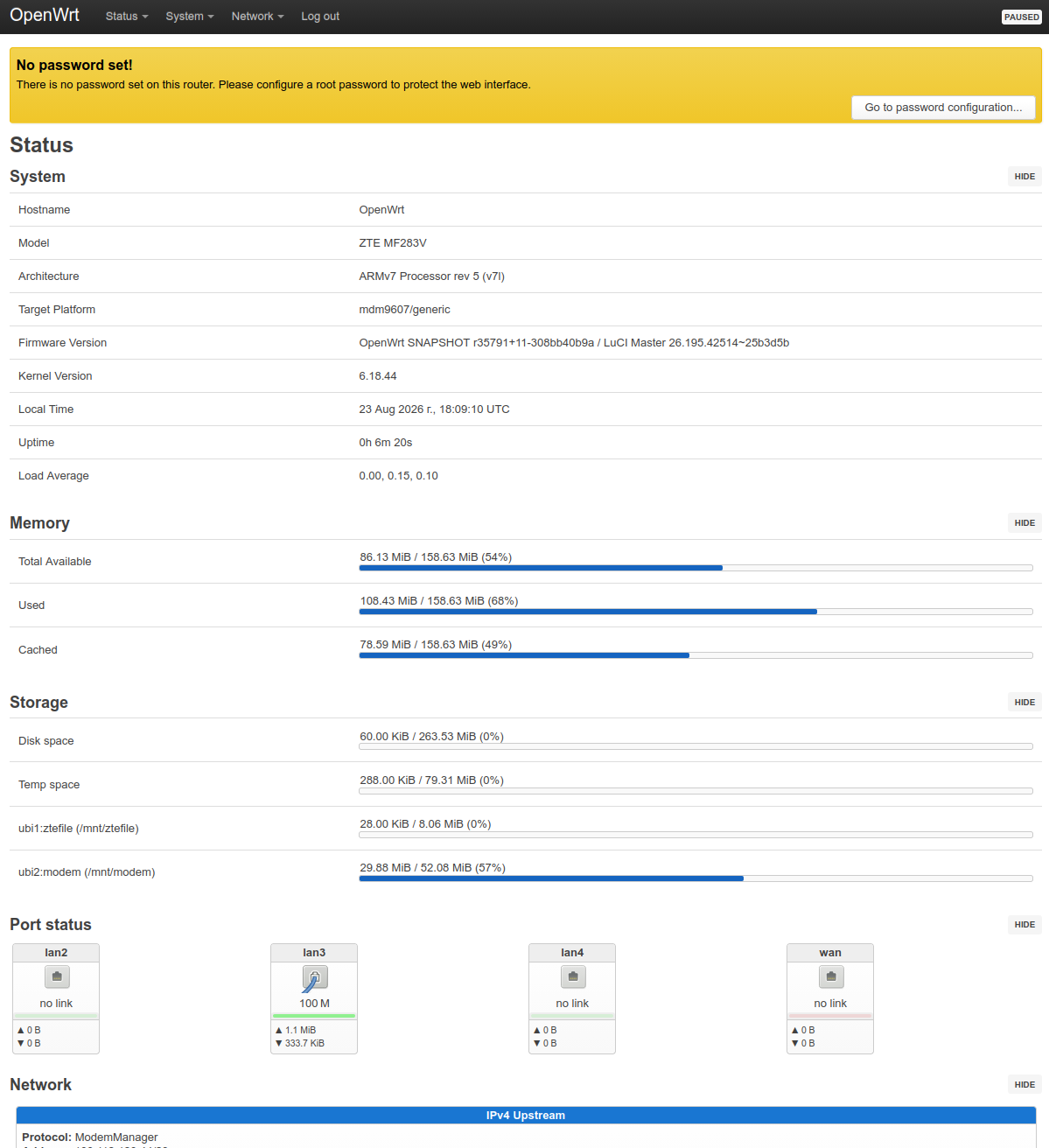
So WLAN worked, and... We are here. It's not over yet, WWAN needs better support, and we need to provide means to upgrade a stock router without soldering wires, and support sysupgrade and LuCI and more. Stay tuned.



 Ultimate Robotics

 Felix Rusu


 Andrei Speridião
 scott.mcgimpsey
That's a great development idea that could be extended to other projects. I almost have a closed loop in my projects that have a MCU dev board connected to a programming dongle, but of course a router is a more complex beast.