 Jeremiah


Livyatan was a suite of local-first, AI-built design and fabrication tools, free for
individuals and small shops. Apparently no one is interested due to the bad reputation of
AI generated software. Since launch, interest has been close to zero.
So the project is being diverted. Development continues, but only as my own in-house
workflow at the shop. There will be no more public releases, downloads, repos or roadmap,
and the old links have been taken down.
Anything you already downloaded is yours to keep under its original license. It runs on your
own hardware with no account and nothing phoning home, so it won't stop working.
Thanks to everyone who took a look.
WHAT IT IS
Livyatan is an integrated design suite for makers, built over the past year by one CNC machinist working nights and weekends. CAD with shop export, image generation, image-to-mesh, artwork-to-cut, a toolpath viewer, resin print prep, a machining advisor, and more — eighteen modules and counting.
They are separate programs that talk to each other through ordinary files. Written in Rust. The core runs on any Debian box with no GPU and no network connection. No subscription, no account, nothing phones home. Free — PolyForm Small Business 1.0.0.
OUT NOW — five modules, all pre-beta
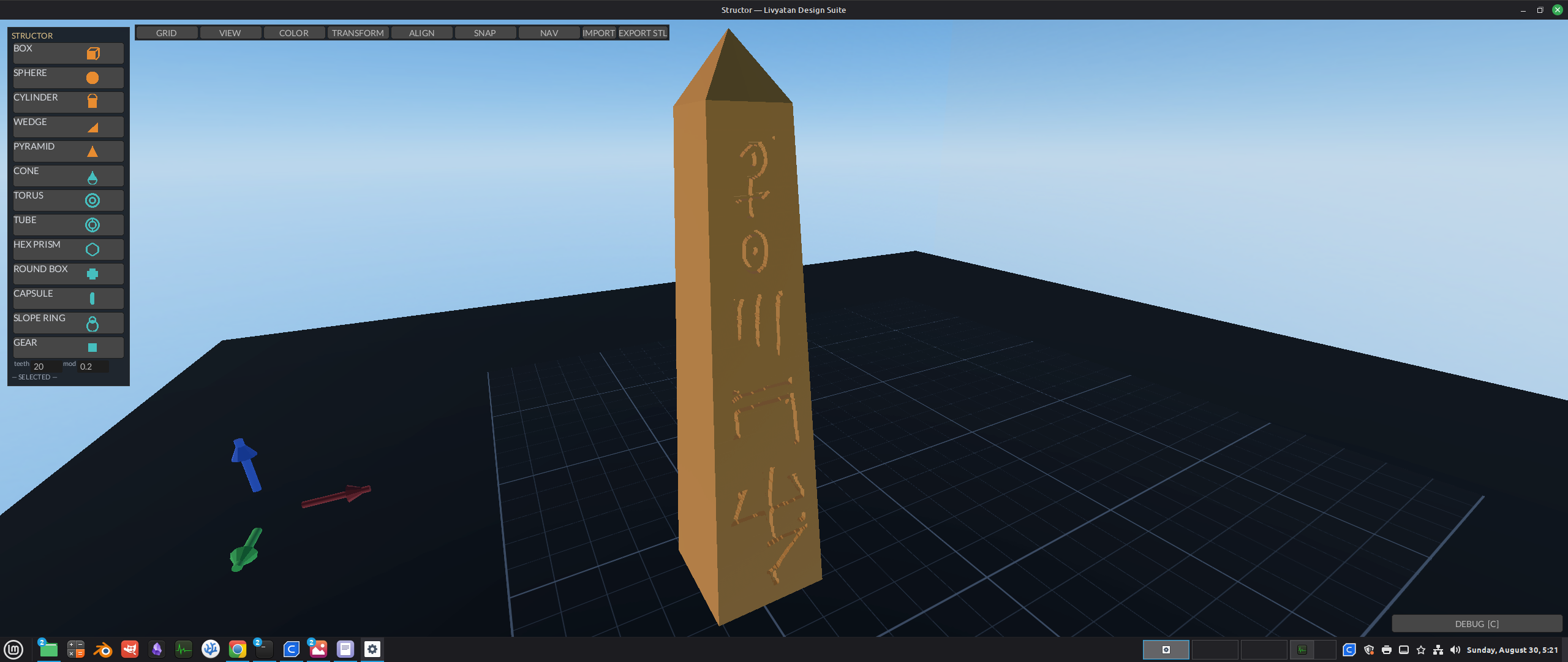
Structor 0.11.1 — a solid modeller for print-and-cut parts. Primitives, weld, group, measure, STL in and out, save/open/recent with autosave. The build plate sits inside a modelled 30 m shop bay with a granite inspection bench and a bridge crane overhead, because the viewport is a game engine rather than a CAD widget. Runs on any Debian box, no GPU.
Phantasos 0.3.1 — image generation on your own GPU (Vulkan; AMD, Intel, NVIDIA), or on a GPU box across the LAN with one button. Prompt it, or hand it a picture and say what to change. While it renders, an hourglass runs sand paced to the time your particular machine actually takes.
GilgaMESH 0.2.1 — photograph to sliceable STL at the size you name. Rotate and crop before you commit. Mesh generation wants about 8 GB of GPU memory or a large unified-memory box; repairing a mesh needs no GPU at all.
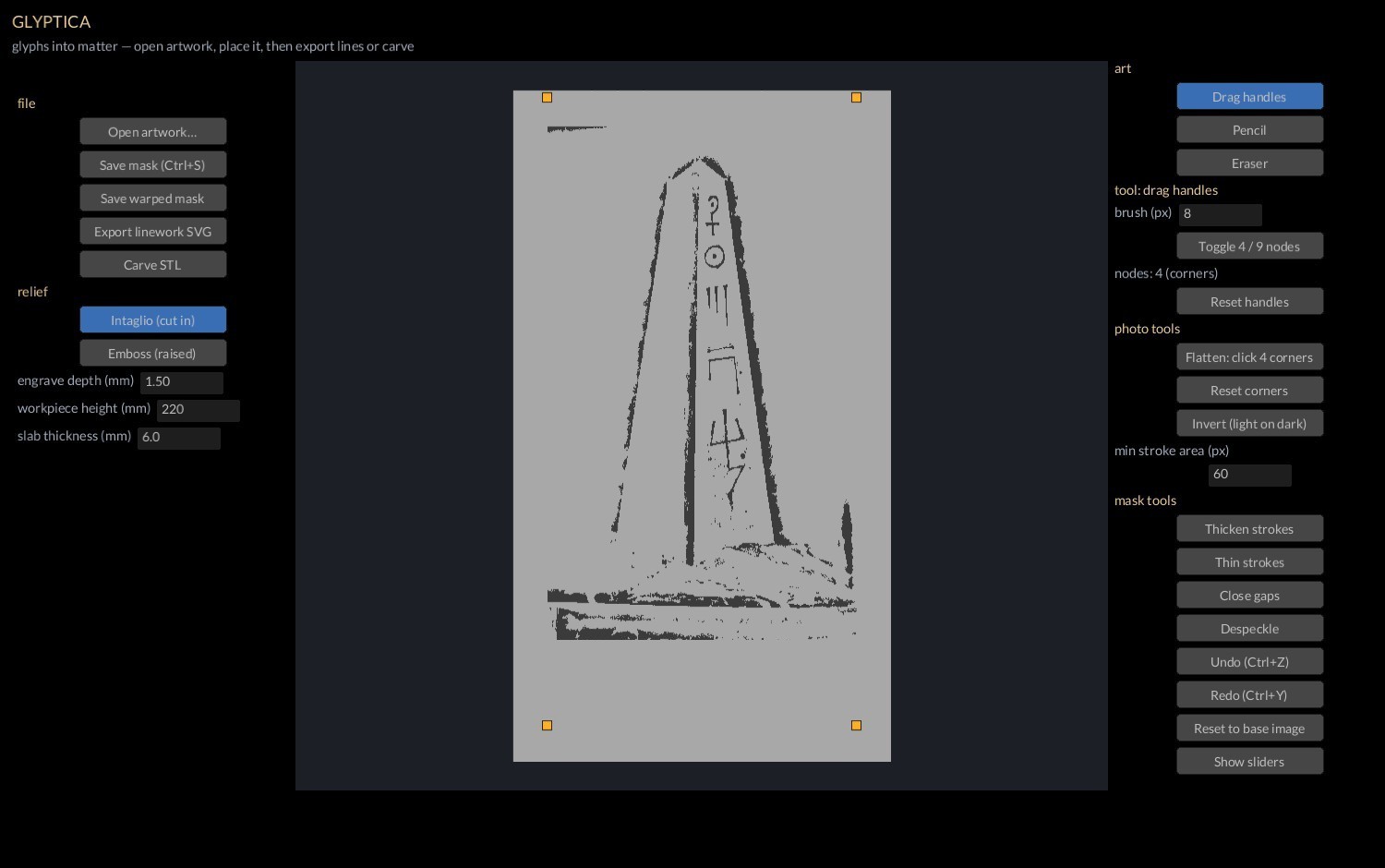
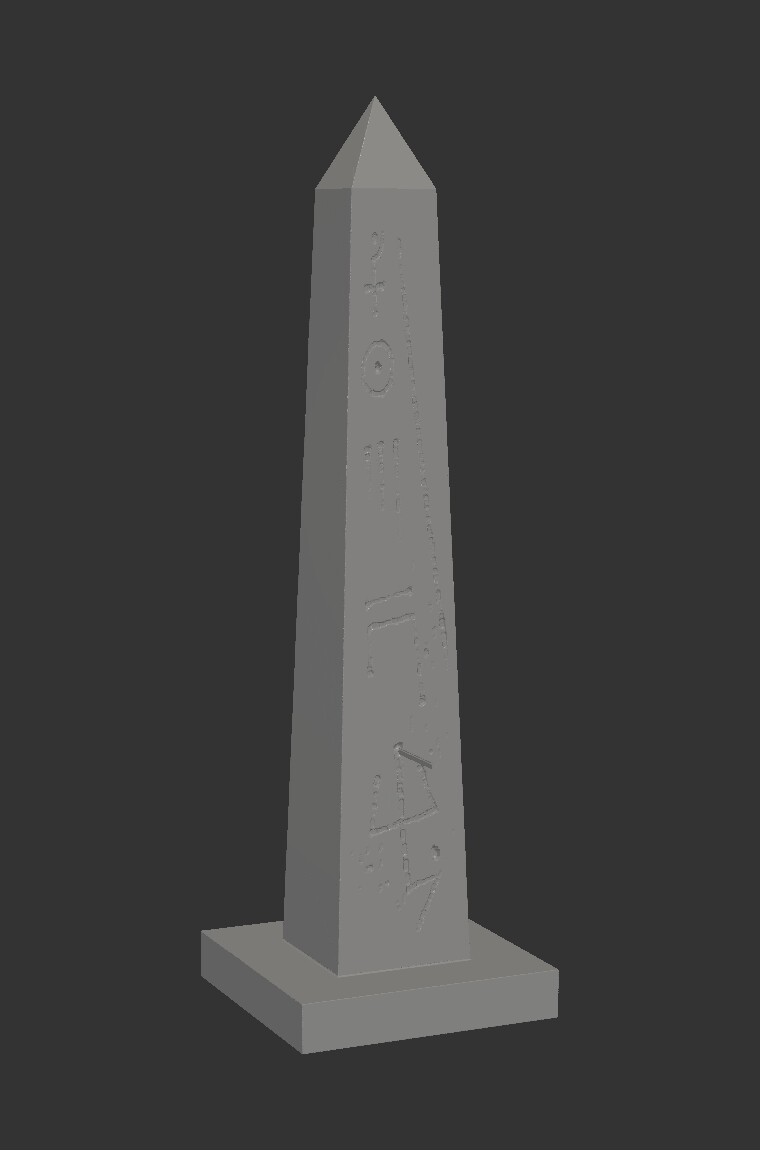
Glyptica 0.1.2 — glyphs into matter. Photograph a drawing, a rubbing, a page of lettering. It flattens the page, lifts the linework off the paper, lets you clean and place it, and hands you two things a machine can make: SVG cut lines for a laser or plasma, and a carved STL in the artwork's own shape, intaglio or emboss, ready to print or to boolean onto a part in Structor. Any Debian box, no GPU.
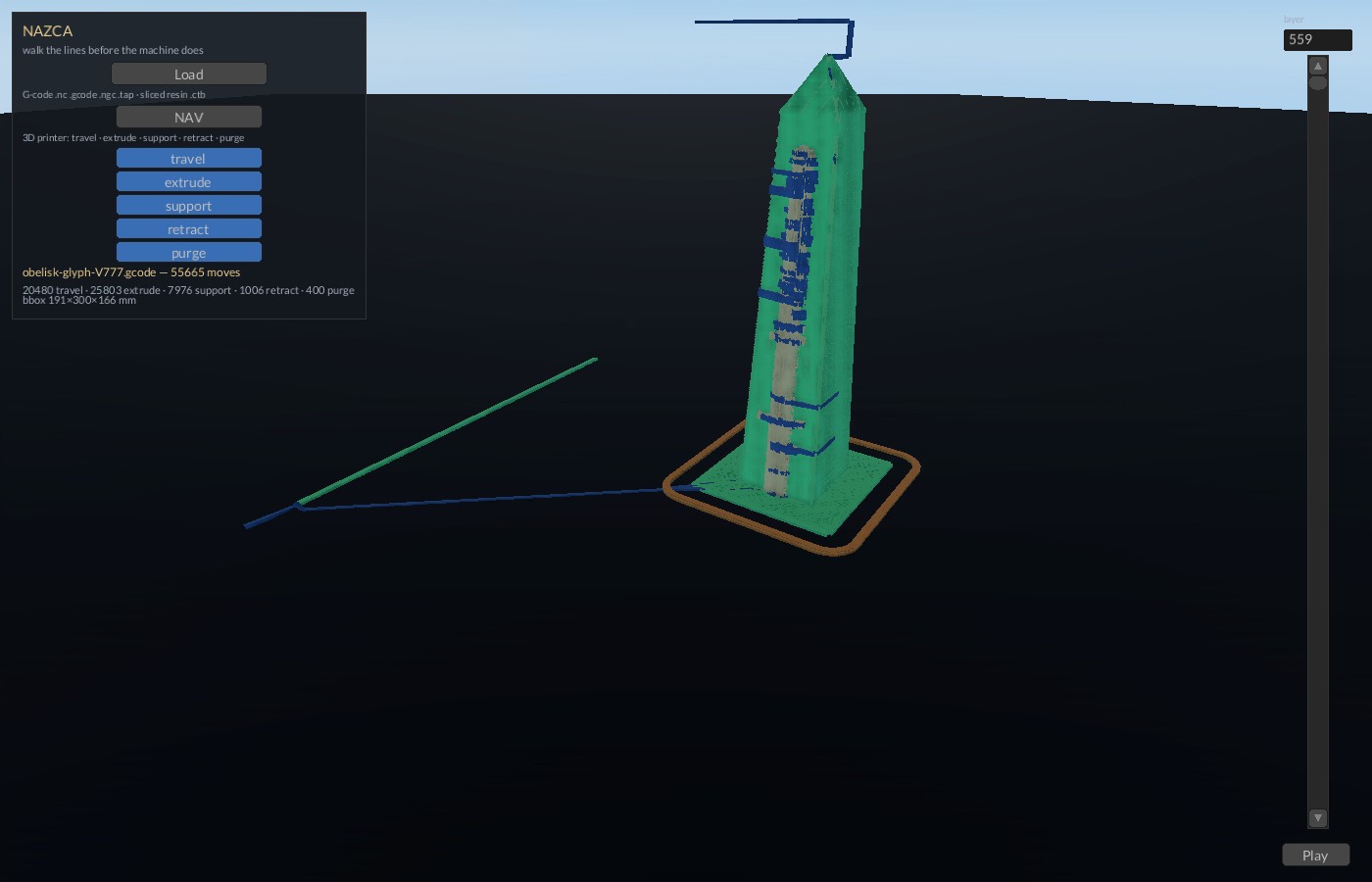
Nazca 0.1.2 — the viewer. Load the G-code your CAM wrote or the .ctb your slicer packed and walk the job in 3D before any iron moves or resin cures. It works out what machine the file is for, colours every move by what it does, and scrubs it layer by layer. It reads; it never writes.
All five ship as working test prototypes with their rough edges written into the release notes rather than hidden. Every window sizes itself to the monitor it opens on.
Downloads: https://github.com/3DJ77/Livyatan — Debian 13 / Ubuntu 24.04+ — sudo apt install ./structor_0.11.1_amd64.deb
THE OBELISK
A design suite is easy to demo and hard to prove. Any single module can be made to look competent in a screenshot. What cannot be faked is one object going the whole length of the chain and coming out the far end as a part you can hold.
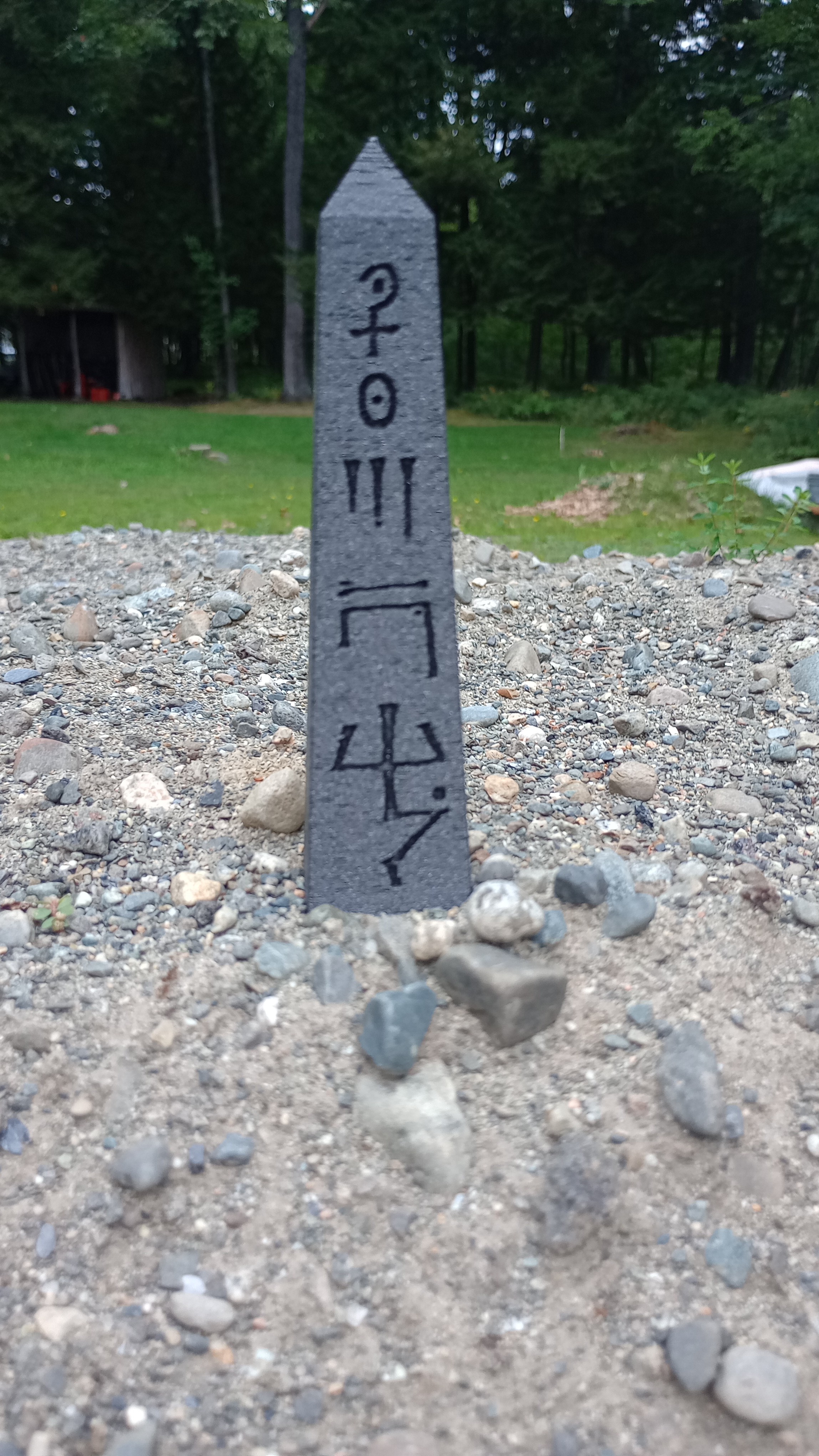
So I picked the most boring object I could think of. Flat faces, hard edges, a taper, and a carved face — enough geometry to catch real errors, simple enough that when something comes back wrong I can see which stage caused it. A dragon hides its defects in the scales; an obelisk has nowhere to put them.
The glyphs are mine: five sigils drawn in pencil almost thirty years ago, on paper that barely survived. The path from that page to a printed monument is idea → drawing → photograph → flatten → lift the linework → clean and place → carve → weld watertight → slice → walk the toolpath → print. With Glyptica and Nazca out, every...
Read more »

 Moritz Walter
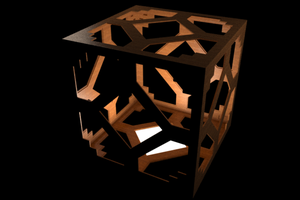
 GPPK
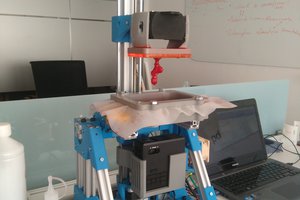
 Jaime García
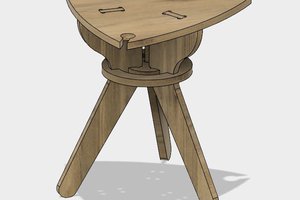
 Roger