 ststephen510
The firmware runs on the ESP32-S3 with ESP-IDF 6.0 and does all the listening on the board. Three PDM mics feed one second windows into a YAMNet classifier with 521 sound classes, quantized to int8 and running under TensorFlow Lite Micro. The model weights sit in PSRAM, which turned out to be faster than running them from flash. One window takes about a second to classify, so the board keeps up with real time with a little margin.

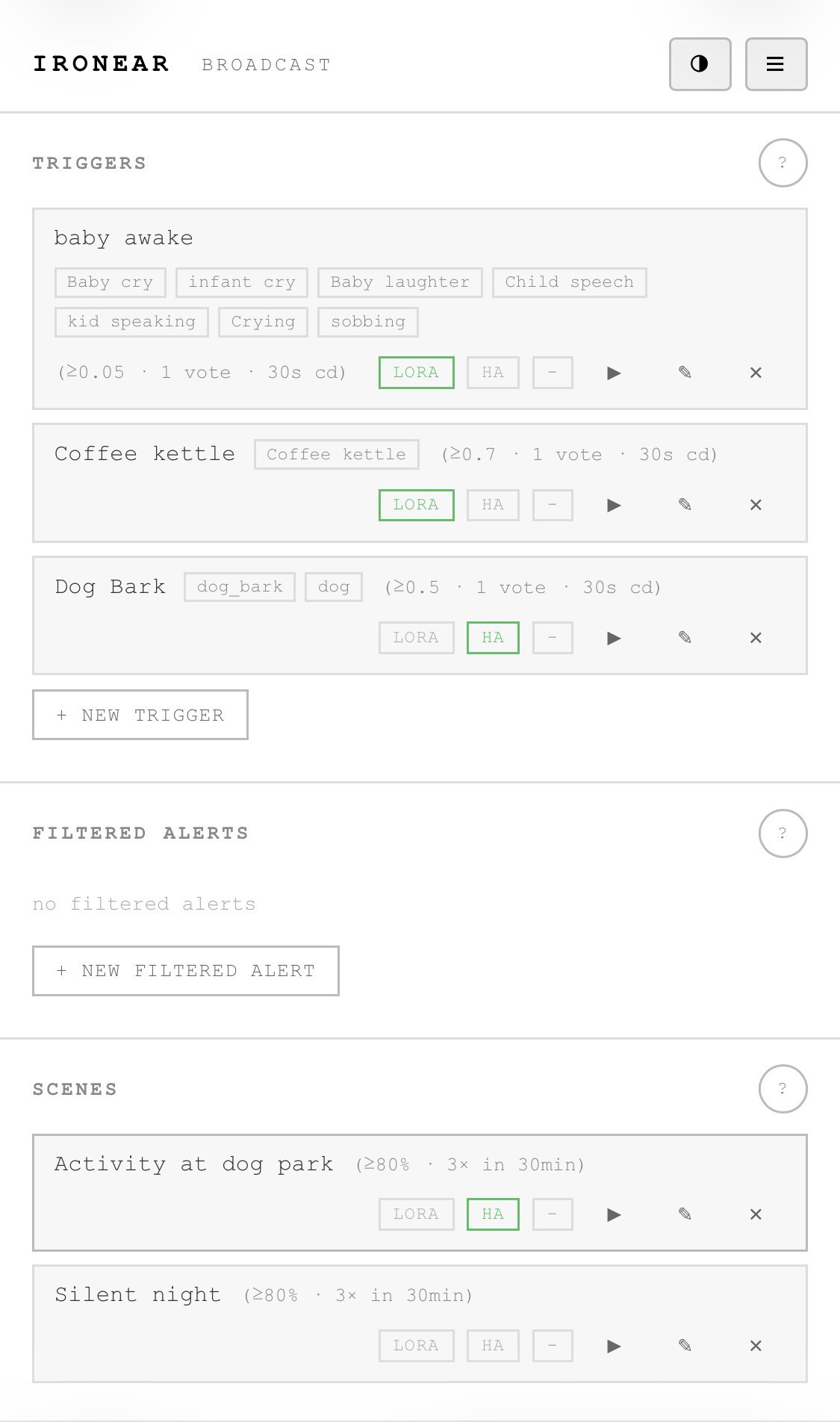
Nothing leaves the box as audio. What comes out is a label, a score and a level above the room floor. On top of the fixed classes you can teach the board your own sounds. It records the classifier's embedding of your doorbell or your garage door for a few seconds and matches each new window against it from then on. Scenes are a different thing. You let the board listen to a place for a minute or more and it keeps a fingerprint of which sounds occurred and how often. Later it compares the last two minutes of what it hears against that fingerprint, so "quiet night" or "dog park" become states the board can tell you it is in.

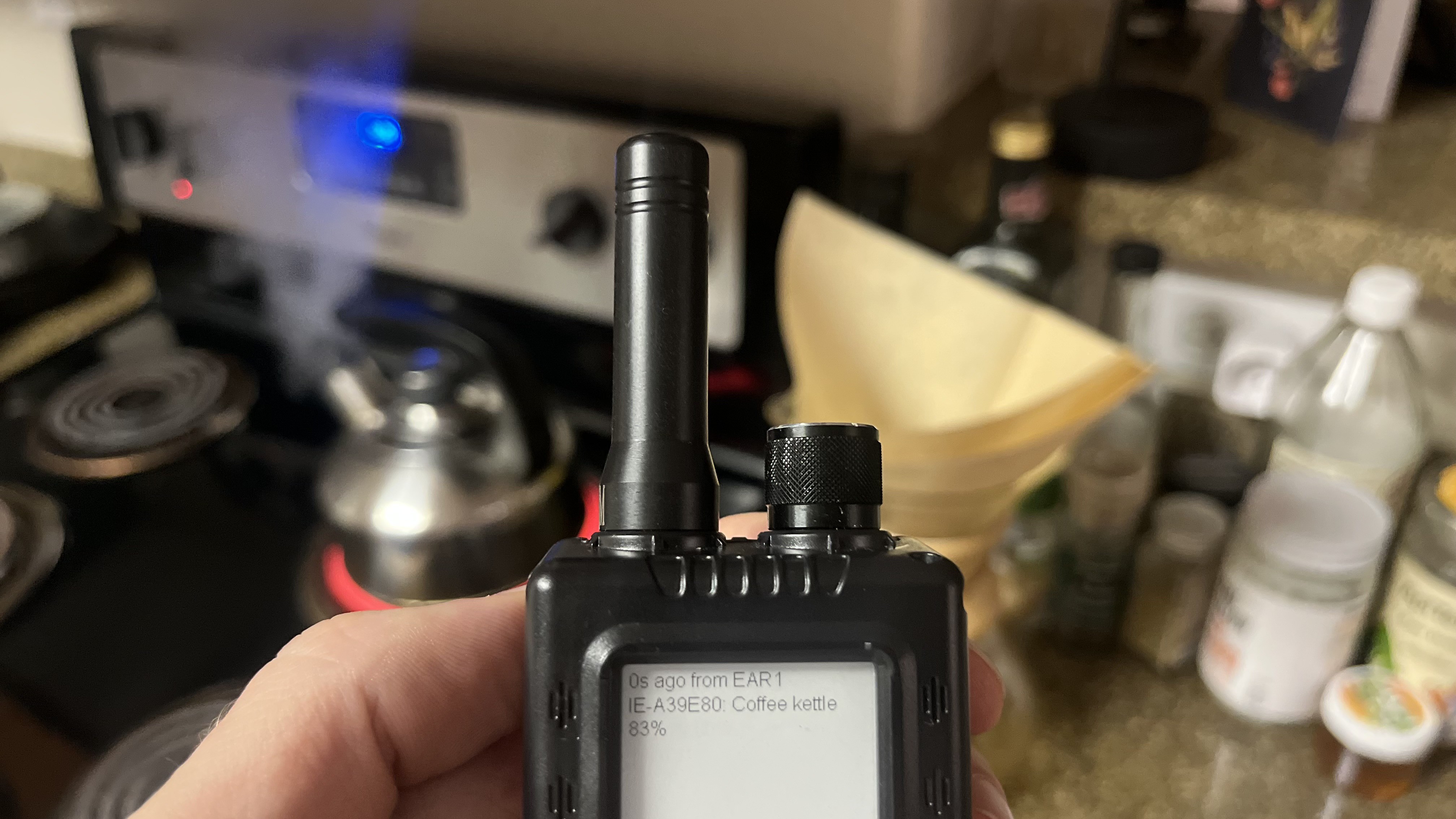
Alerts go out three ways. Over LoRa on a private Meshtastic channel, so a phone with a radio sees them without any network. Over MQTT into Home Assistant, where the board shows up as a device with its sensors and an alert event. And between boards in the same house over ESP-NOW, so a node without a radio can hand its alert to one that has one.
Discussions
Become a Hackaday.io Member
Create an account to leave a comment. Already have an account? Log In.