 Ashton Vallejo


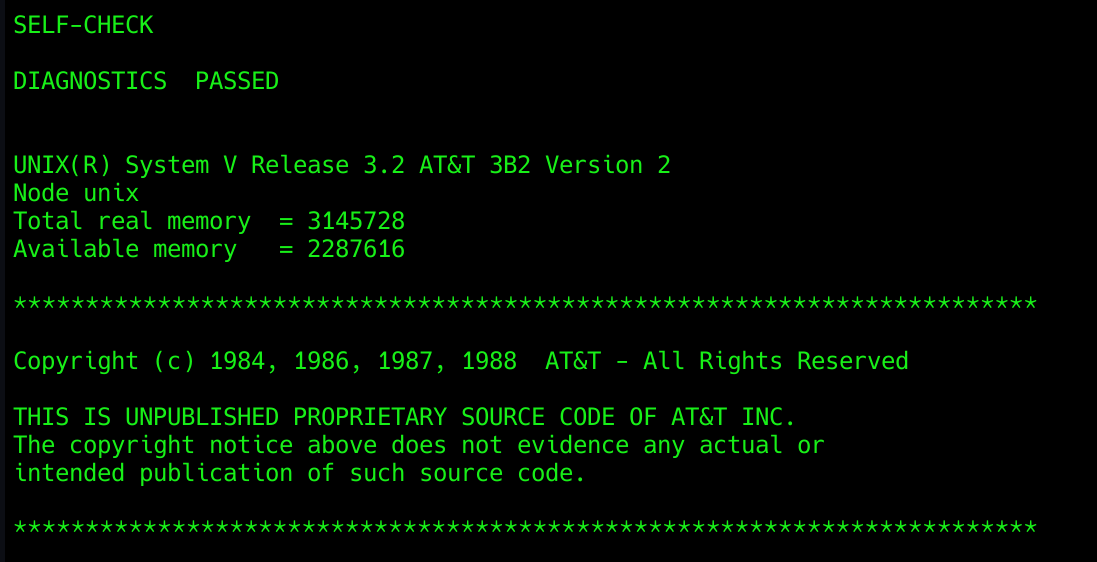
The AT&T 3B2 was designed to be a native UNIX computer built in around the early 1980's. Unlike the better known 3B1, the 3B2 and other members of the 3B family are designed around Western Electric's own WE32xxx processor architecture which is considered the first 32 bit microprocessor.
Today, surviving 3B's are scarce, with many parts and software being unobtanium. What is available is limited mostly to scans of AT&T's manuals and usenet threads.
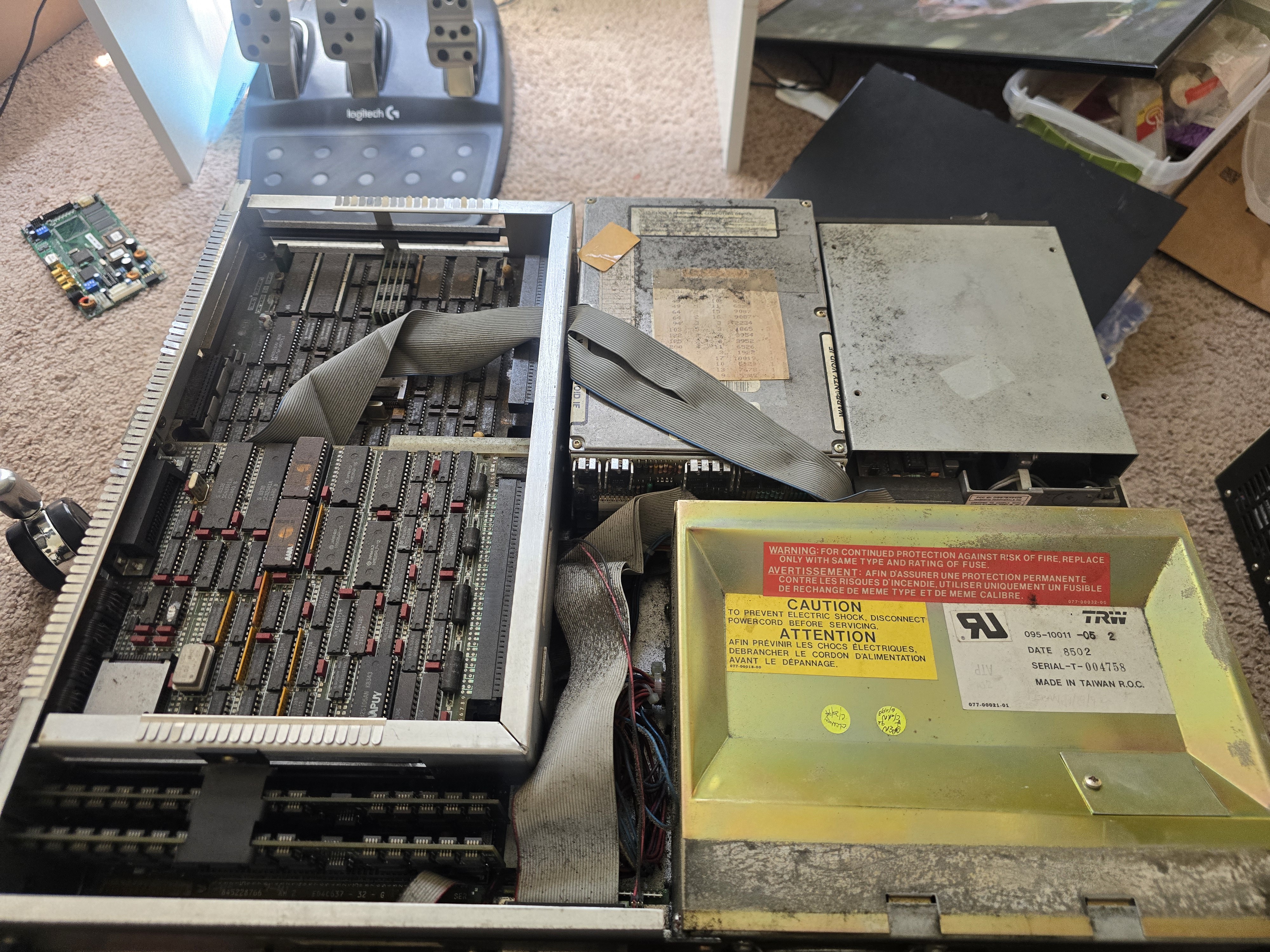
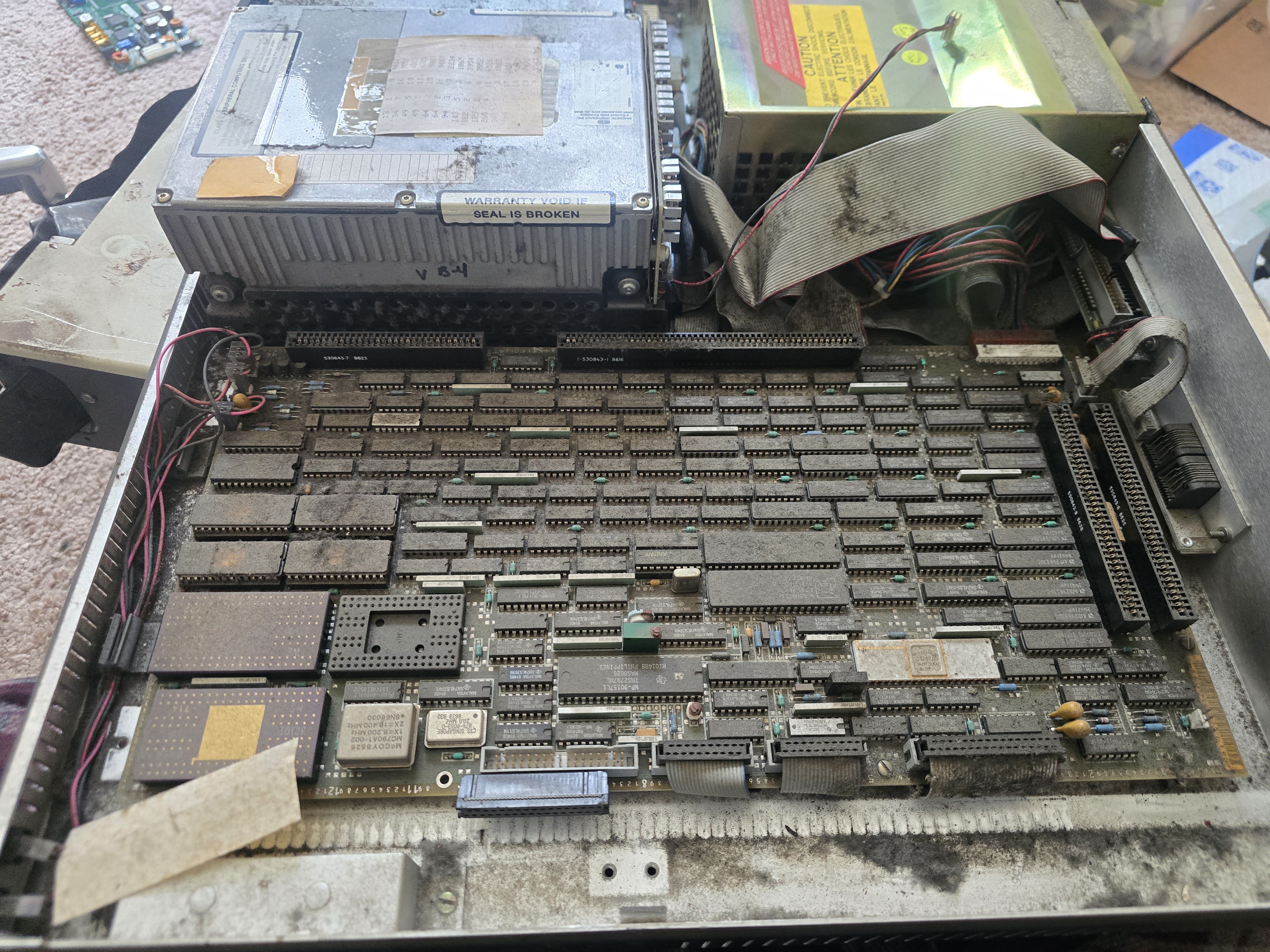
This project documents my effort to preserve, repair, understand, and actually use an AT&T 3B2/300.
My goal is to bring this machine back to life, preserve the historic data on it's hard drives, and get it back into action hosting my own BBS. I also plan to provide my own contributions towards the 3B2 community with creating my own schematics for the motherboard and designing modern add on cards that can provide additional functionality to the system to make it a little more useful in the modern world.
The system has presented a long list of problems in both hardware and software.
These have included shorted tantulum capacitors, power supply faults, serial issues and unreliable communications, expansion card hardware issues, hard drive failures, scarce documentation and software, and challenges of porting comparatively modern software on an ancient UNIX machine.
One major goal is preservation. This machine has lived a long life with file dates spanning from 1984 all the way into the early 2000s. I have so far been able to back up one of the three 72mb hard drives it came with and there are ongoing efforts to repair the other two. I wish to preserve and compile the data to tell the story of this machine and the life it lived.
At the same time, I have been trying to push the restored machine past it's original use case. I have since been working on porting software to the 3B2, including compiling more modern shells, compilers, and even games on the system.
Other parts of this project include investigating the 3B2 feature-card architecture, with plans to document and modify my existing cards, as well as designing new cards to add features such as high speed serial communications and removable media.
The restoration is still ongoing. Some problems have been solved, others have exposed entirely new ones, and several pieces of hardware are still being investigated.
That is part of the reason I am documenting the project: there is surprisingly little practical information available today about repairing and operating a real 3B2. I hope the measurements, failures, fixes, software discoveries, disk images, and documentation collected here will also be useful to the next person who tries to keep one of these machines alive.
Here are the specs of my working 3B2/300:
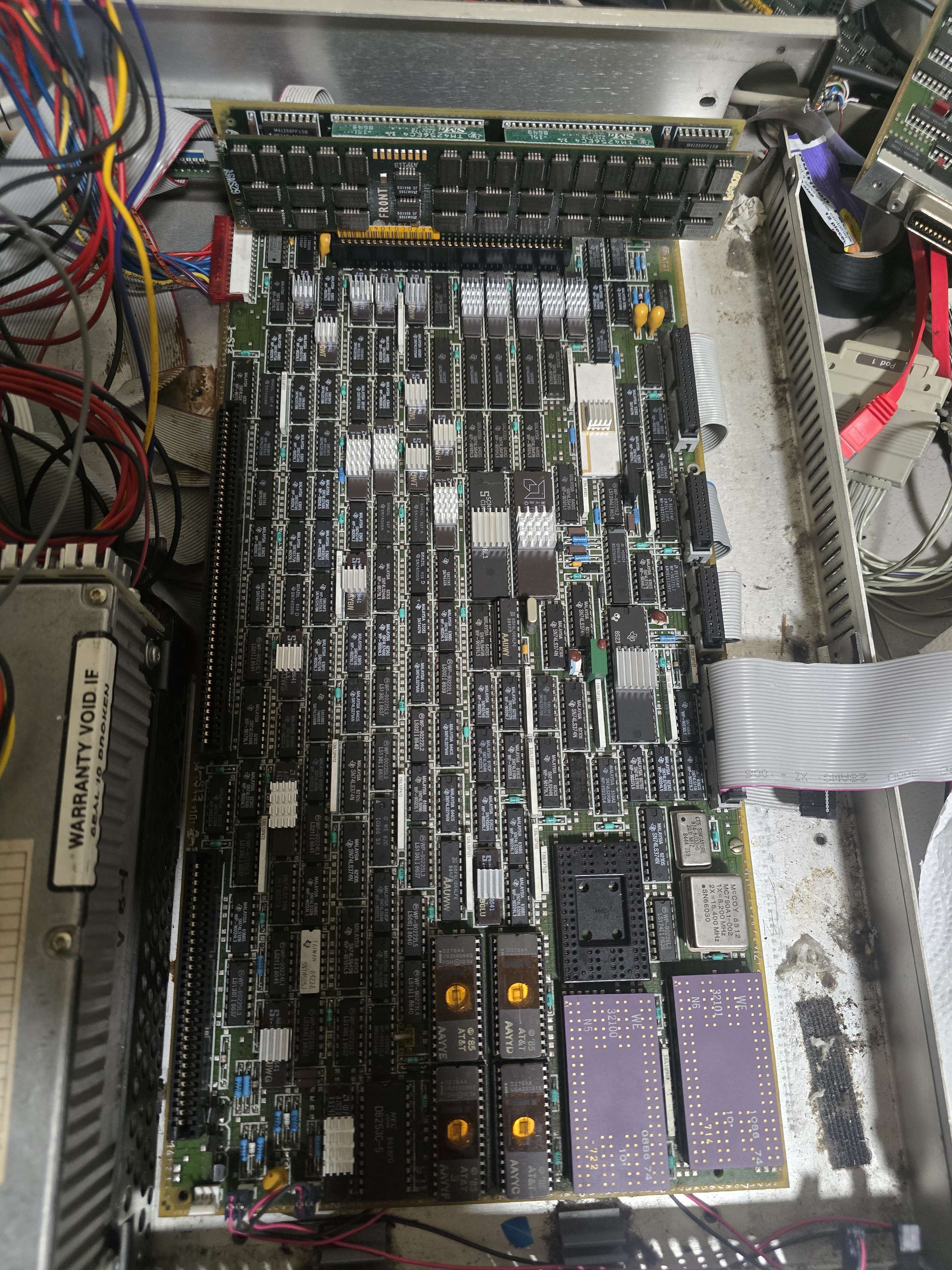
An upgraded WE32100 over the original WE32000 running at 8MHz
3Mb of RAM
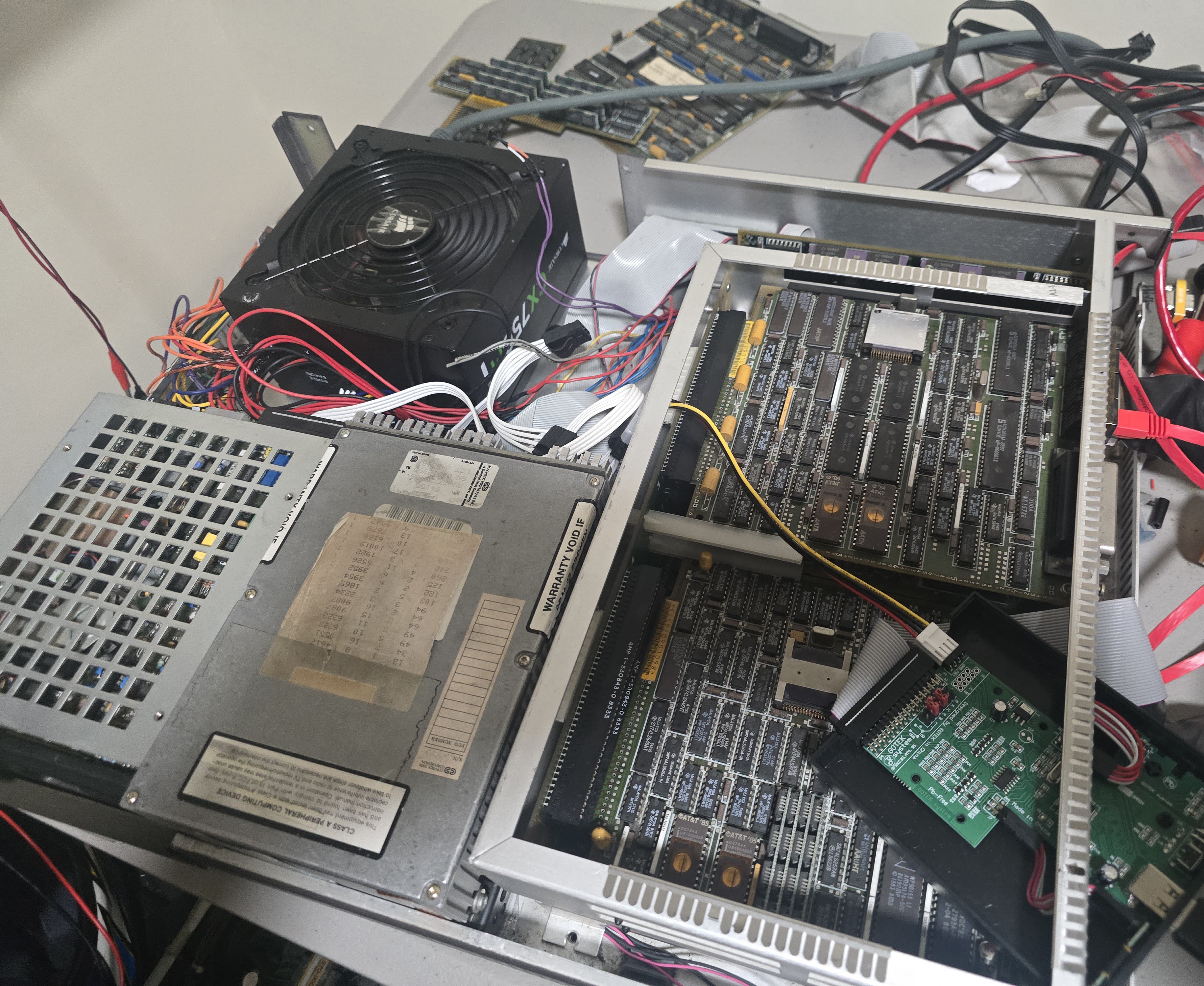
72Mb CDC Wren II drive
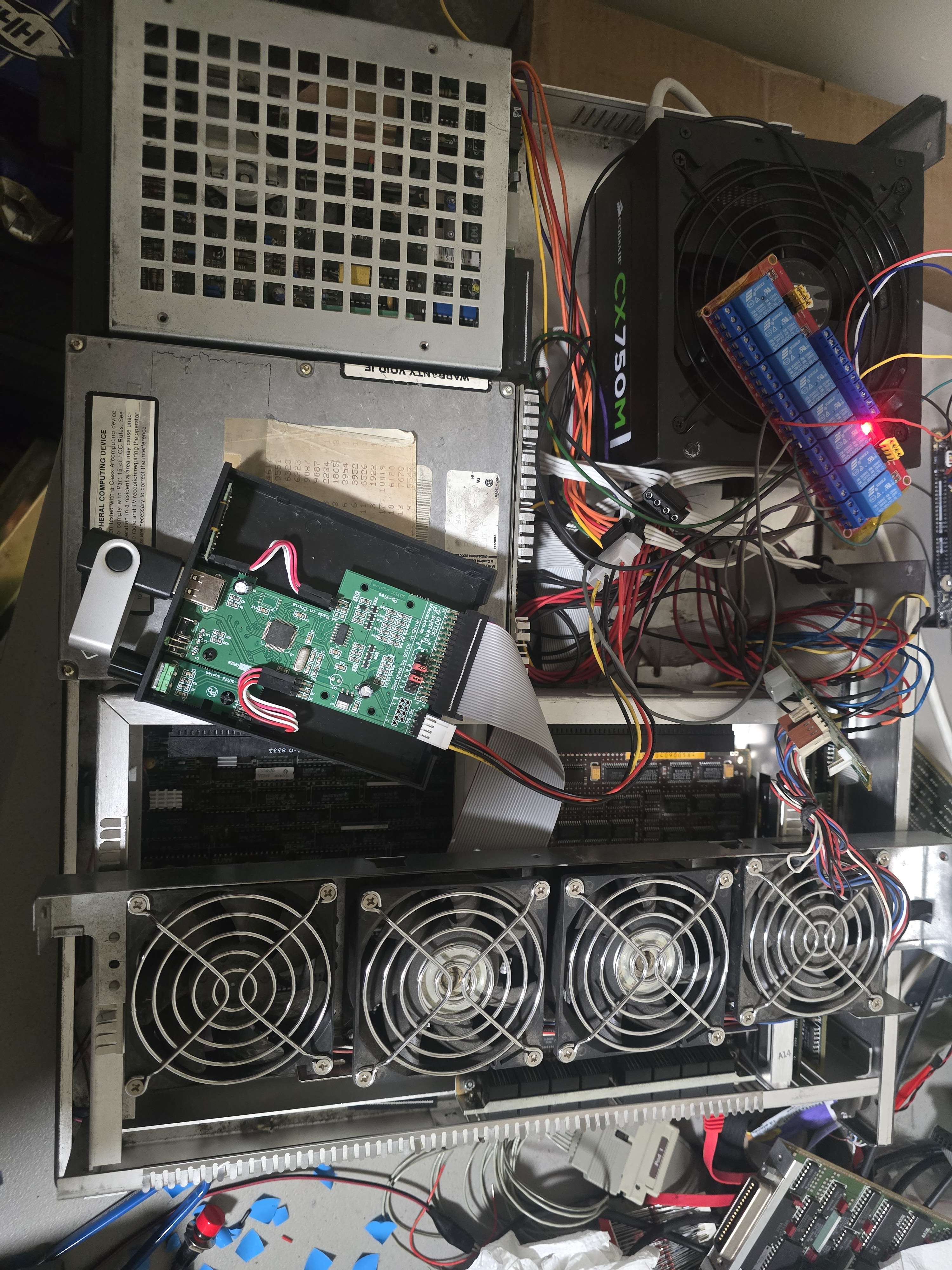
A Gotek floppy drive emulator
Running System V UNIX Release 3.2
1 PORTS card (upgraded to EPORTS)
1 CTC tape drive card and a corresponding standalone floppy tape drive (currently not working but repairs are in progress)
Additional parts I own:
A second complete 3B2/300 with a WE32100 at 8MHz (currently non-working due to motherboard damage)
4 more PORTS cards (including the one that caught fire)
1 more EPORTS cards
2 more CDC Wren drives (32 and 72Mb, both not working, repairs in progress)
Another CTC tape card and floppy tape drive (also non-working)
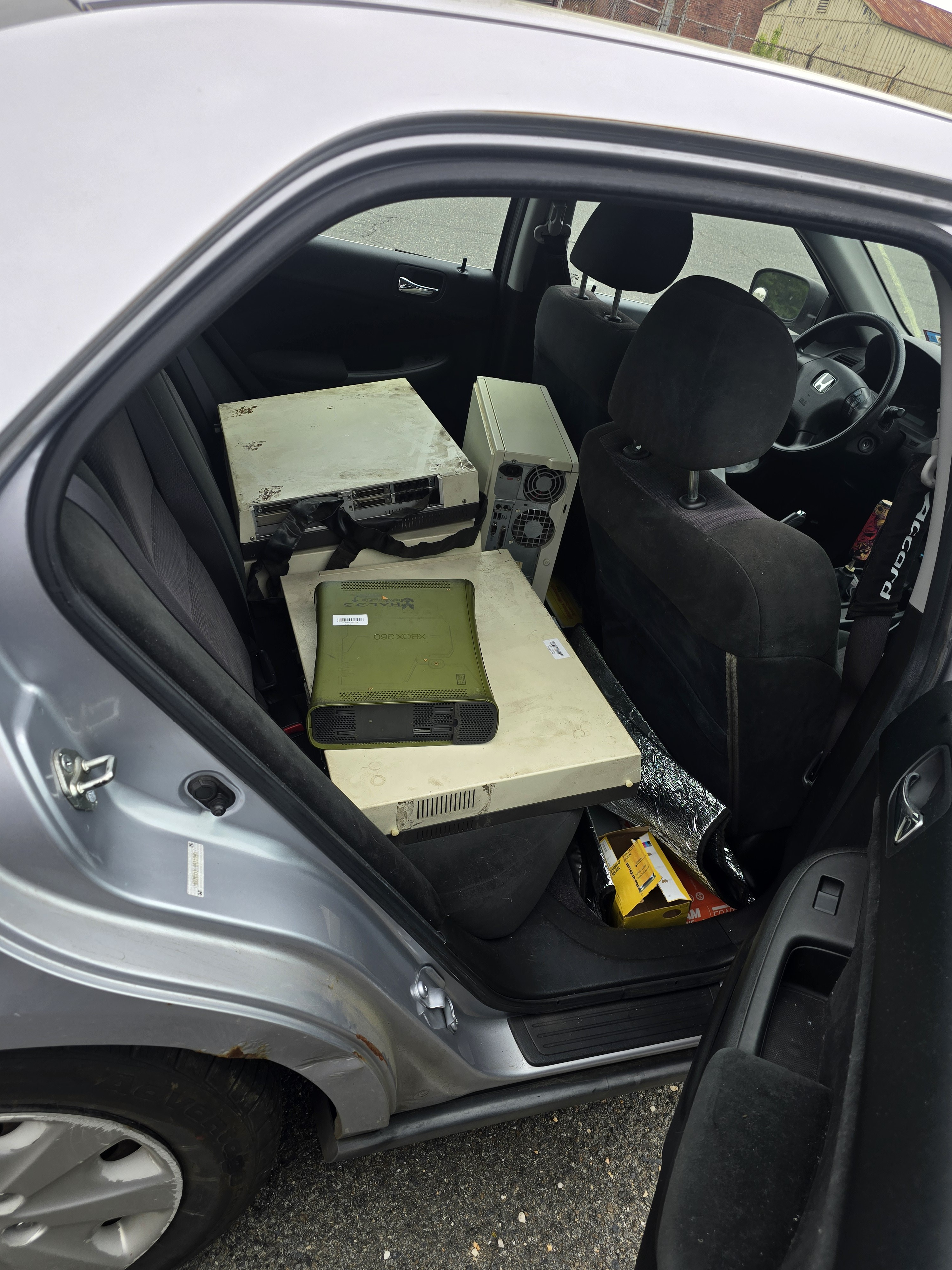
An XM expansion chassis containing the other 72Mb hard drive and second tape drive
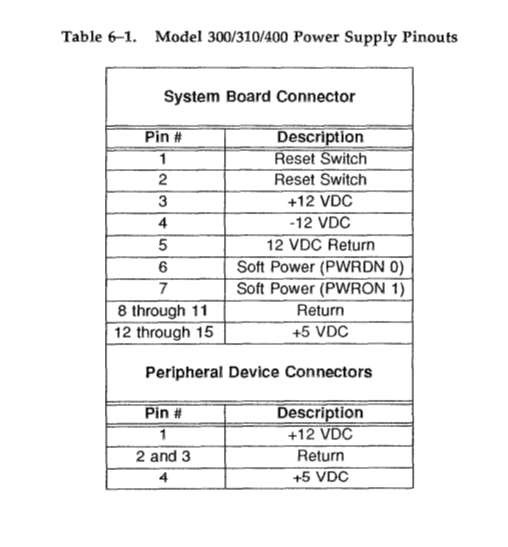
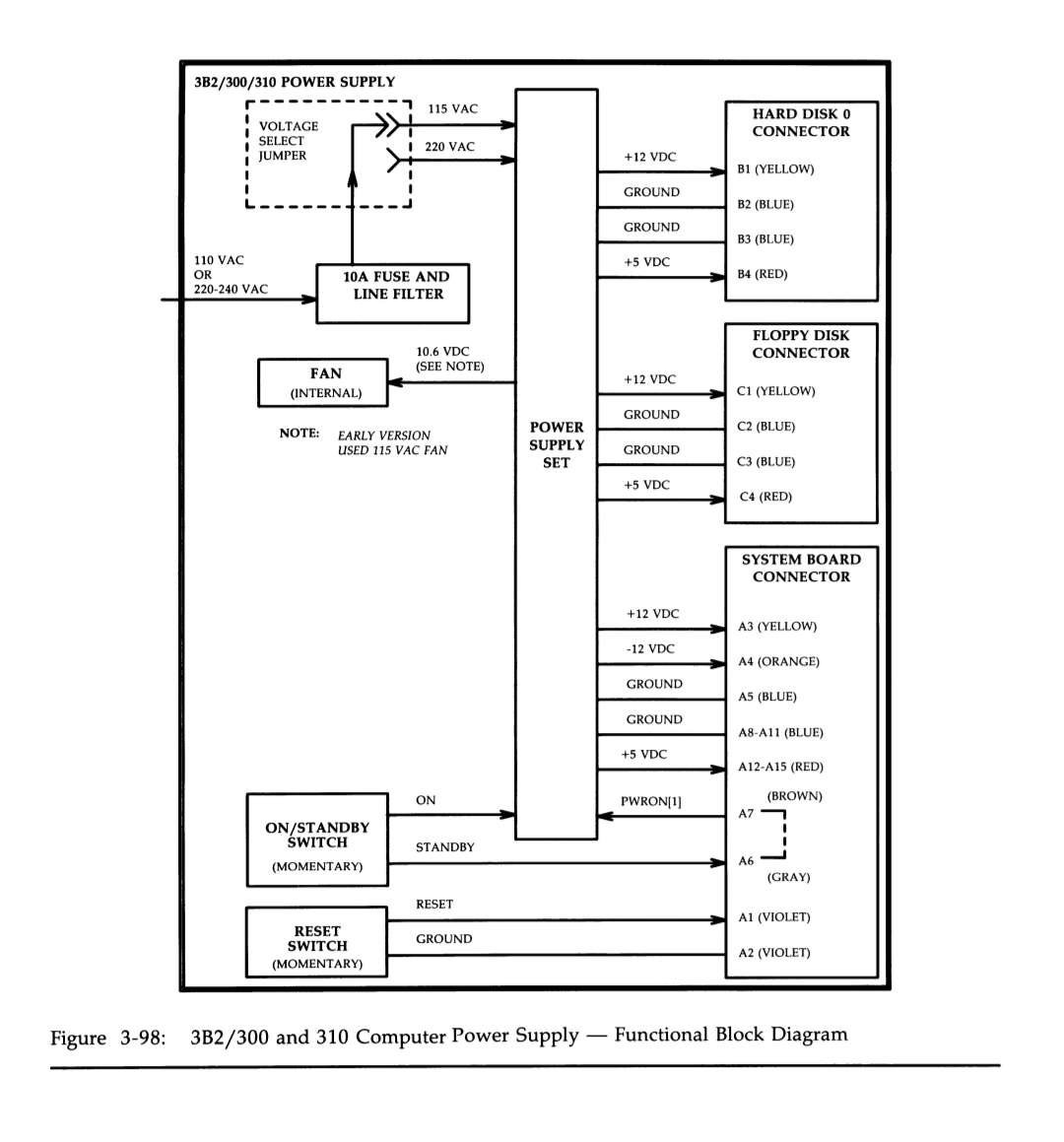
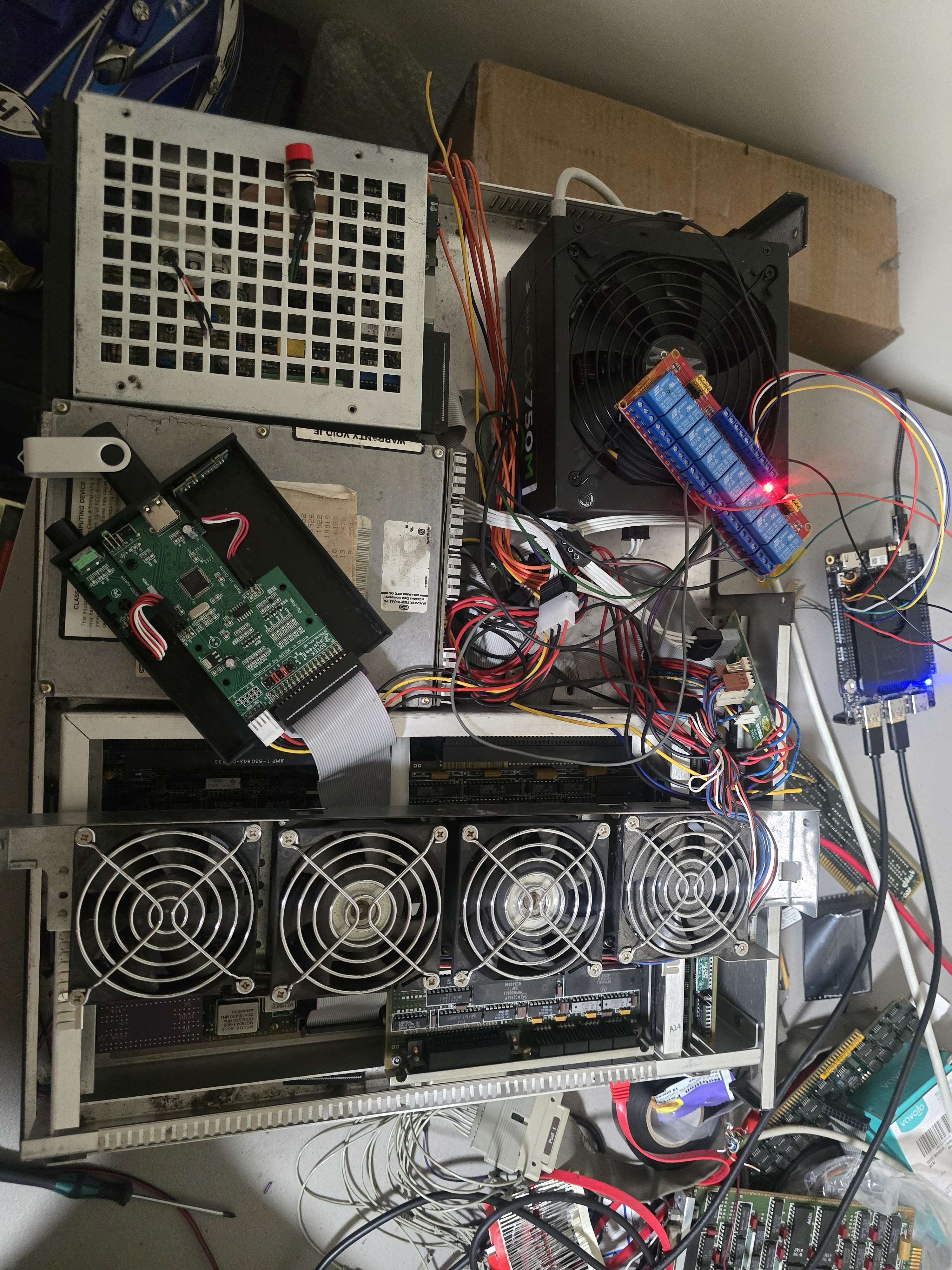
3 TRW branded power supplies and 1 XM expansion chassis power supply. (Two of the 3 psus are not working and are damaged. The third power supply and expansion power supply are untested)
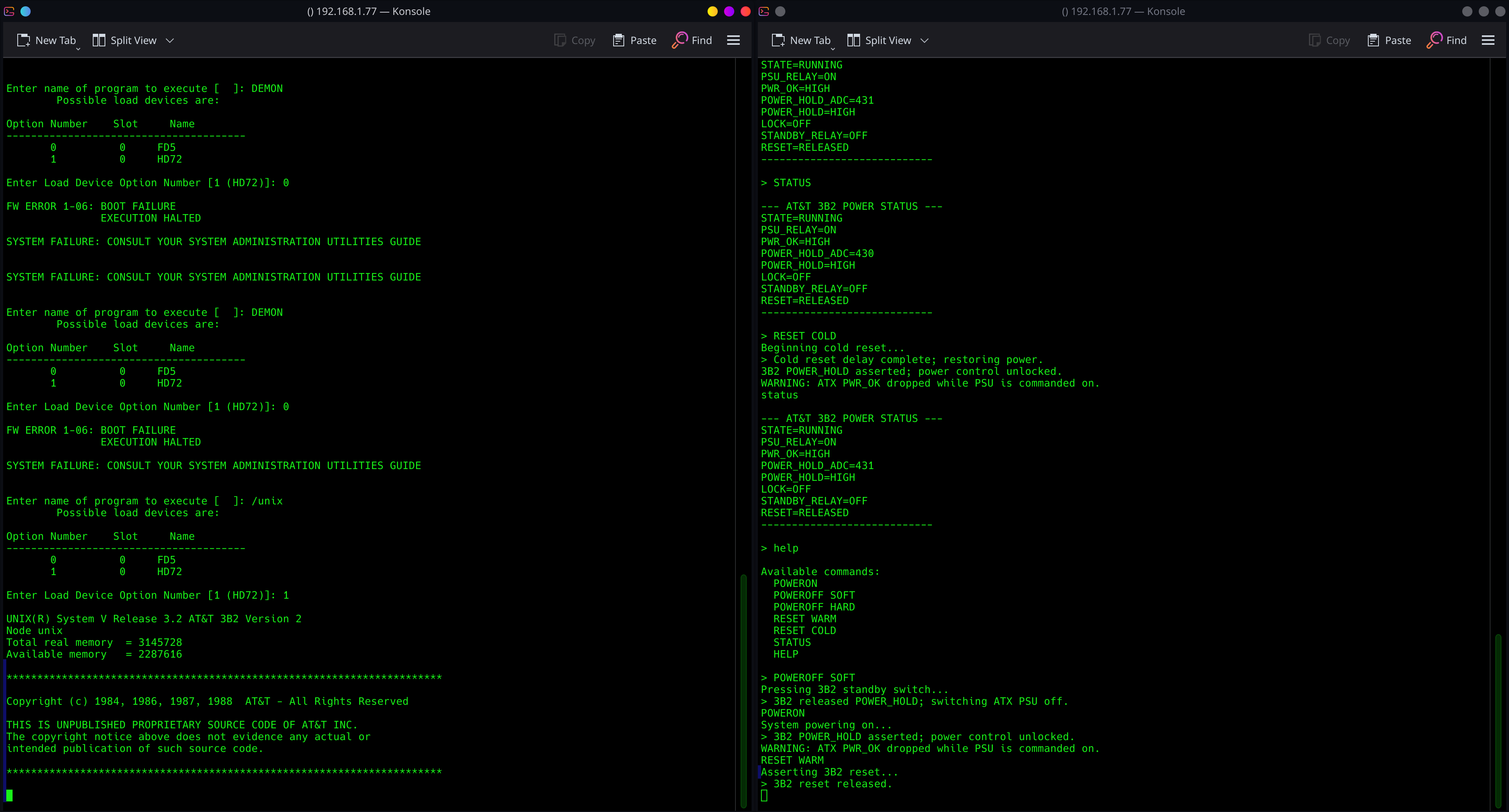
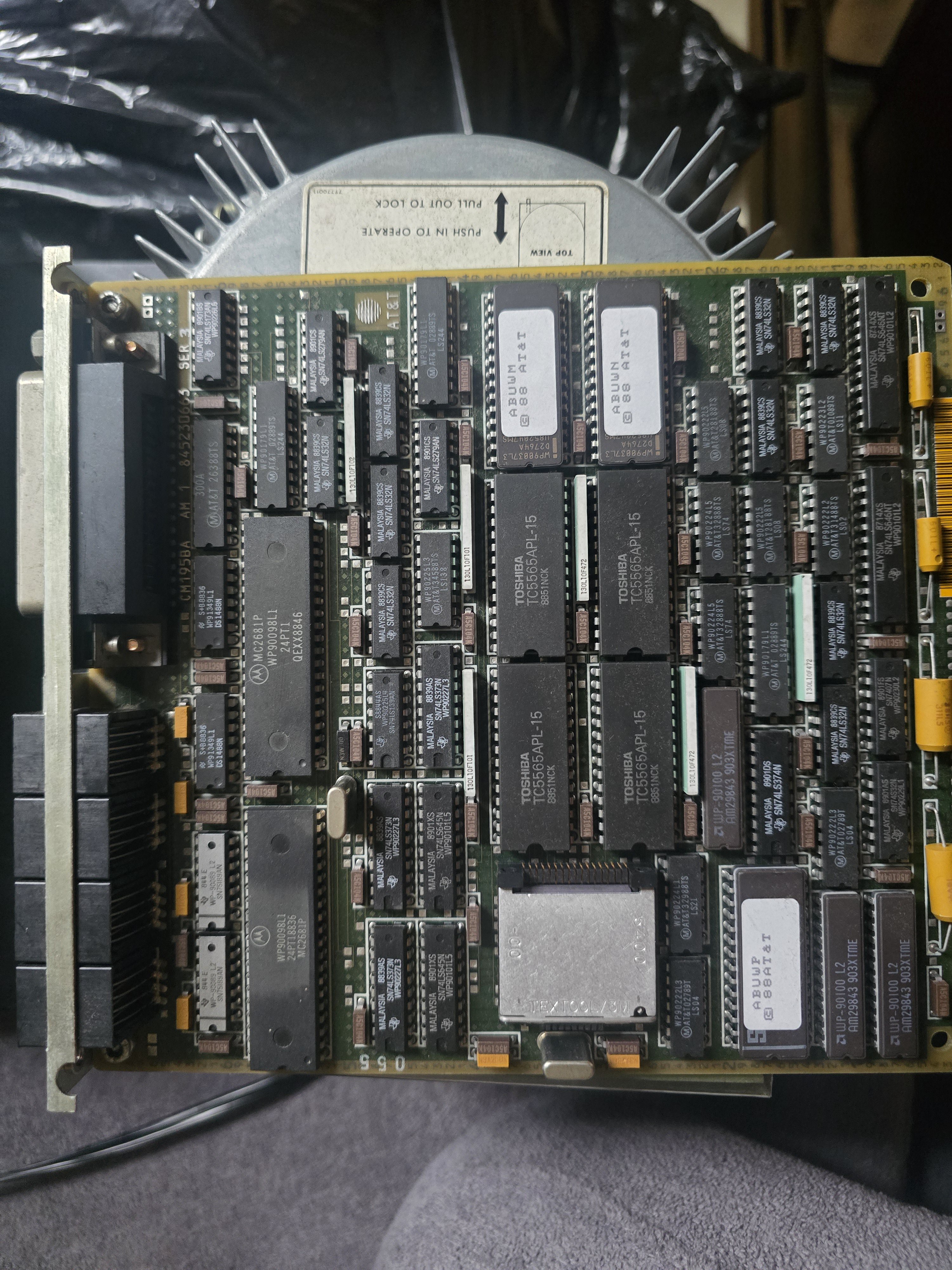
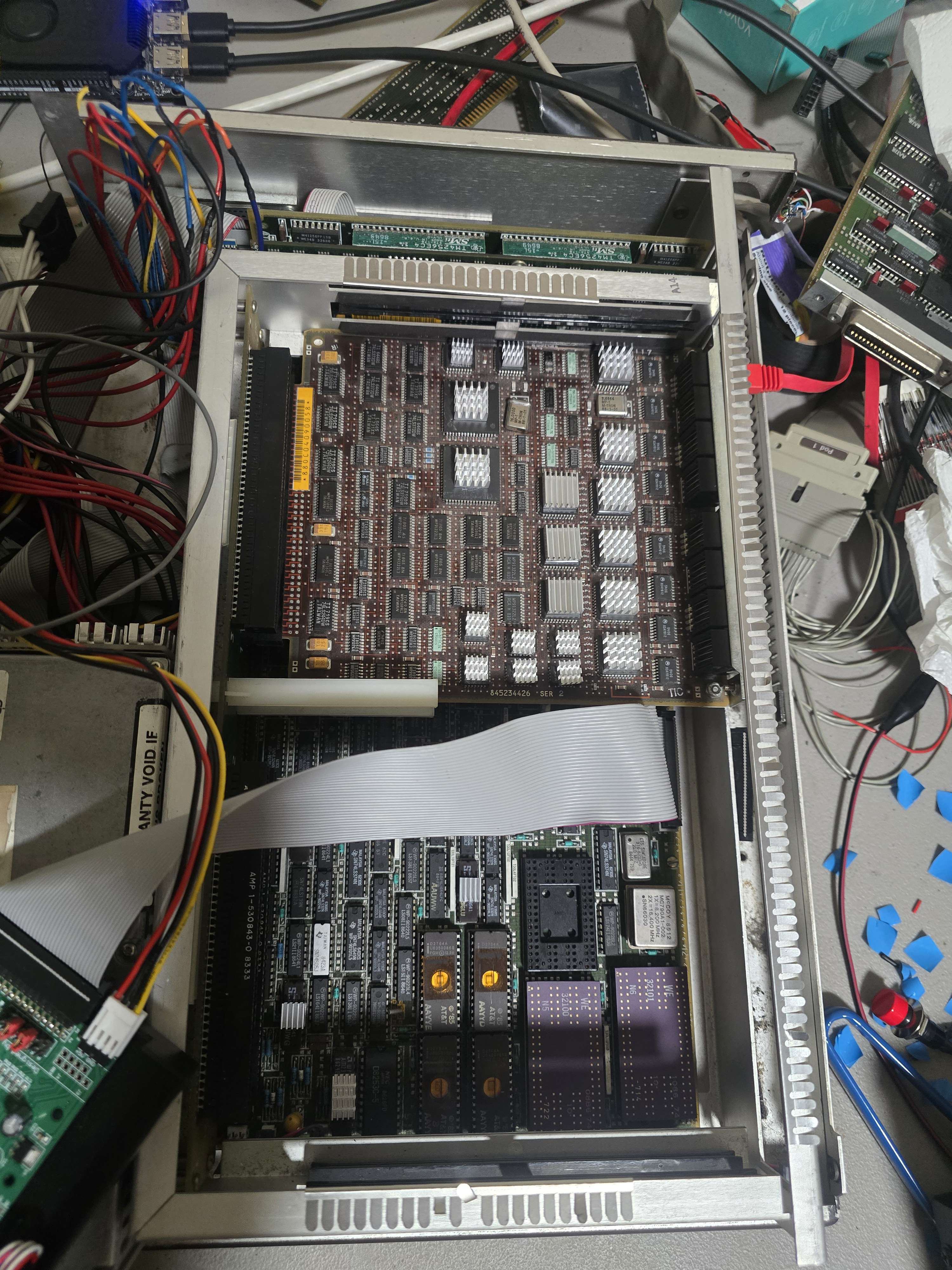
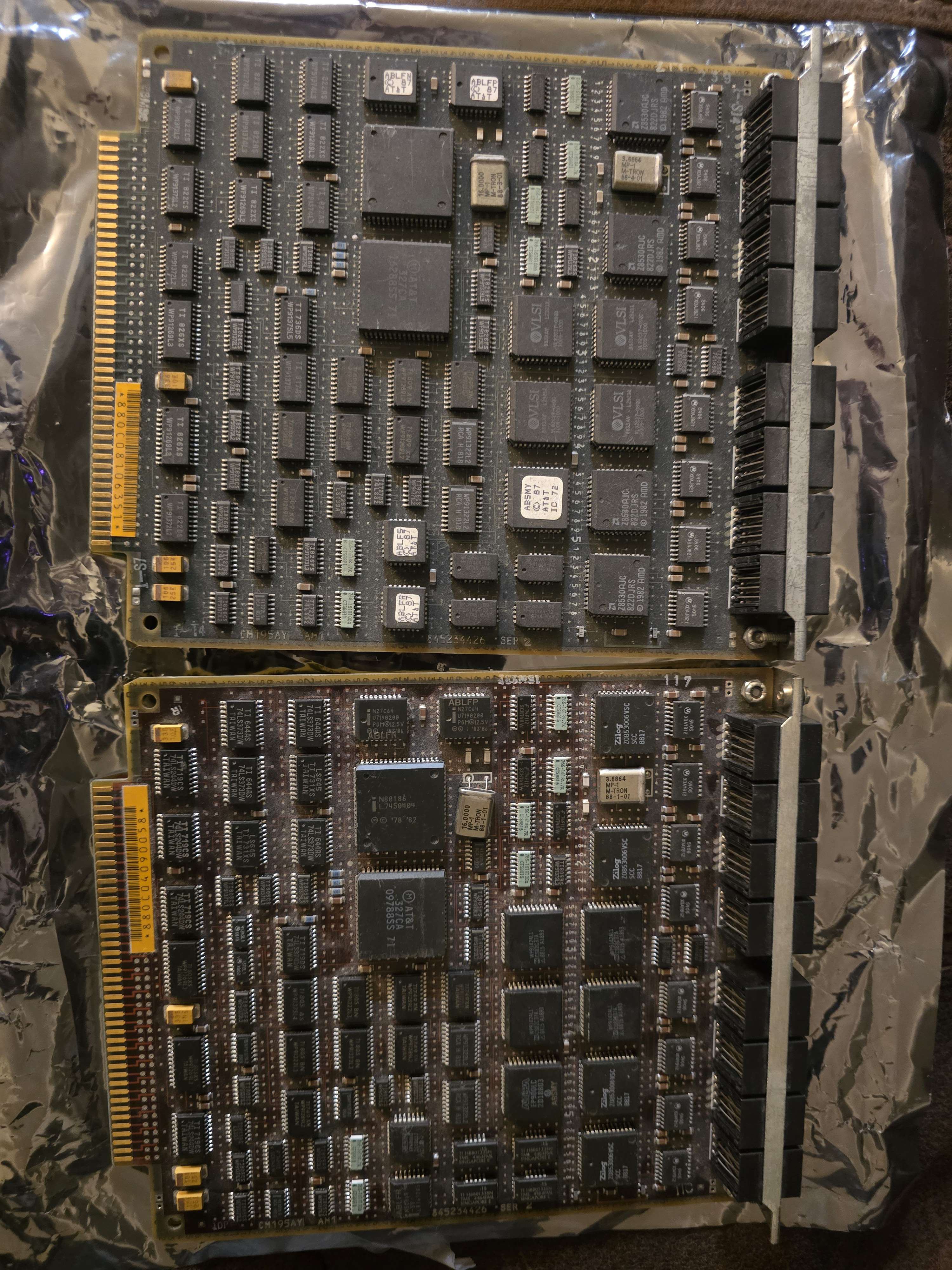 The look of these cards compared to the original PORTS cards is really impressive to me. While the original PORTS cards use mostly discrete logic and a dedicated serial controller, the EPORTS are convered head to toe in ASICs. VLSI, ALTERA, even some in-house AT&T chips are on here. Also another interesting note: all of the older feature cards have a socketed 80186 cpu on them with a metal heat-spreader on top. These guys have a soldered on 80186 without any form of heat-sinking. Strange!


 Will Preston
 novak

 Andrei H.
 cprossu
This is a really great project and a neat machine, and I appreciate all of the interesting details in your project updates. Particularly the archeological aspects and your attention to preservation are most admirable.